
In water well drilling, the bit isn't just the consumable that takes the direct hit from the formation—it's the single biggest factor that decides your whole project's progress and your 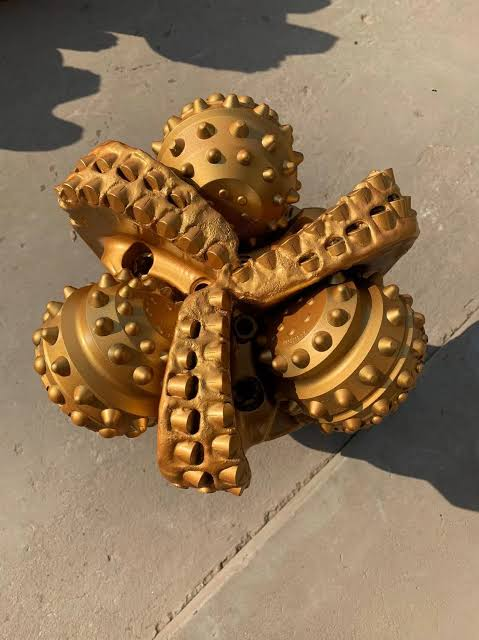 bottom line. As we move into 2026, with global energy and water development pushing into deeper, harder, and more complex ground, the big question for every rig manager and drilling engineer is: how do you keep penetration rates high while making your bits last longer? In the field, wear-resistant and cost-effective DTH drill bits, tri-cone bits, and PDC Drill Bit are proving their worth in tough conditions. But even the best bit out there needs smart care and operation to really perform.
Over 60% of short bit life comes down to picking the wrong bit for the job. In hard, highly abrasive formations like granite or quartzite, you absolutely need a Pearldrill DTH drill bit Click with high-toughness carbide buttons. But in soft to medium-hard ground like mudstone or limestone, PDC drill bits or high-shear roller-cone bits are the way to go. If you try to "bulldoze" through with a mismatched bit, you'll end up with chipped carbide or crazy-fast wear in no time.
Blindly cranking up the weight on the drill bit (WOB) overloads the bit, which leads to thermal fatigue on the cutters or even deformation of the bit body.
Spinning the RPM too high just generates more friction heat against the rock, which softens the carbide faster.
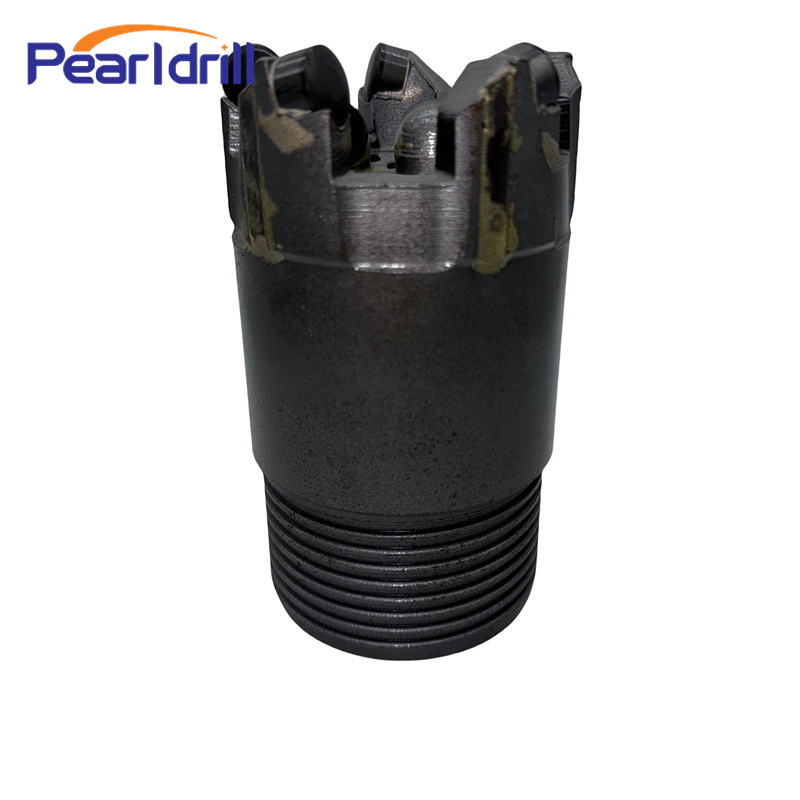
If you can't get the cuttings out of the hole fast enough, your bit ends up "re-grinding" that same rock debris. That kills your penetration rate and beats up the bit body with serious erosion. When you're running a Pearldrill bit, make sure your compressor air (or Mud Pump flow) has enough guts to carry those cuttings up and out immediately. Good flow also gives you excellent cooling for the bit.
Dropping a fresh bit down the hole and running it flat-out from the get-go? That's a rookie mistake. Here's the tried-and-true method: for the first half-meter to one meter of drilling, take it easy—use about one-third to one-half of your normal parameters, with light weight and low speed. This "break-in" lets the carbide buttons' micro-surfaces get a smooth, gradual wear pattern and helps relieve any manufacturing stresses. It sets the bit up to resist chipping later on when the real work starts.
Preventive maintenance beats a blowout every single time, cost-wise. The minute you see a flat spot on the top of a carbide button—I'm talking when the wear flat hits about one-third of the button diameter—stop using that bit and get it on a pneumatic grinder for some "dressing" (resharpening). Pearldrill's top-grade carbide can take several rounds of professional re-grinding. Getting that geometry back in shape can boost your total bit life by 50% or more.
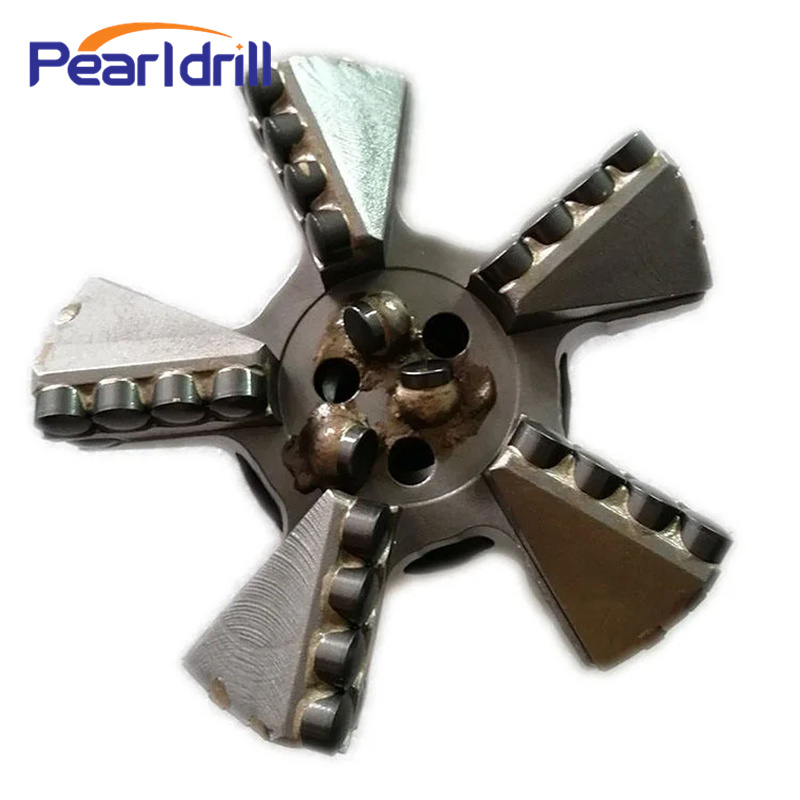
If the borehole wall collapses, or if something like a piece of wire or a bolt falls down the hole, it's like a landmine waiting to go off on your bit. So, every time you add a rod or get ready to start drilling again, keep a sharp eye on the returns—make sure the bottom is clean. If you even suspect there might be some cavings down there, ease off the feed and do not jam on the weight.
Once you pull a bit out, if you don't take care of it, you'll end up with damaged threads or rust eating into the steel body from moisture in the air, which weakens the whole thing. The right move is: wash off all the mud and debris with clean water, blow it dry with an air gun, give the threads and buttons a good coat of anti-rust grease or even used motor oil, pop the protective cap on, and store it somewhere dry.
Formation Type
Recommended Drill Bit Type
Key Operating Parameters
Common Wear Issues
Proven Life-Extenders
Loose cover / Sand / Mudstone
PDC drill bit / Steel-tooth tri-cone
High RPM (60-90) / Low WOB
"Balling up" (mud packing), body erosion from cuttings
Boost mud flow & cleaning ability; pump more volume to prevent balling
Medium-hard (Limestone / Sandstone)
DTH drill bit / "Tungsten carbide insert" (TCI) tri-cone
Medium RPM (40-60) / Medium air (1.7–2.4 MPa)
Buttons dulling early, fatigue spalling
Stick to the break-in routine; check the bit every 50–80 meters of drilling
Hard / Highly Abrasive (Granite / Basalt / Quartzite)
High-pressure DTH drill bit (button / concave face)
Low RPM (20-35) / High air (2.4–3.0 MPa)
Chipped buttons, overheated & snapped studs, severe radial wear on the body
Never run without air/fluid flow; stop and inspect every 20–30 meters; if you see any flat spots, get the grinder out right away
Bottom Line
In the 2026 water well drilling market, keeping costs down and efficiency up is what keeps you competitive. Extending bit life isn't about some magic trick—it's about smart selection, disciplined operation, and staying on top of inspection and re-grinding. Follow these 7 proven methods, and you can realistically expect to boost your bit life by 30% to 100%. Plus, you'll cut down on all that lost time spent tripping in and out, which means more profit in your pocket from every drilling job you take on.
Contact us
Interested in high-quality, cost-effective drilling solutions? Click the link to contact us now!
Contact: Mr Chen
Phone: +86 13874354330
Tel: +86 746 8323309
Email: pearldrill02@guangzhouintl.com
Add: 3rd Floor, Wanli Market, Fenghuang Road, Lengshuitan District, Yongzhou City ,Hunan Province China