How to Choose a Water Well Drilling Rig for Quartzite Geology in 2025
Working with quartzite geology is notoriously tough. It's super hard, highly abrasive, and incredibly stable, which puts extreme demands on any water well Drilling Rig. Heading into 2025, if you want a machine that can actually perform efficiently and reliably in this kind of rock, you need to choose wisely.
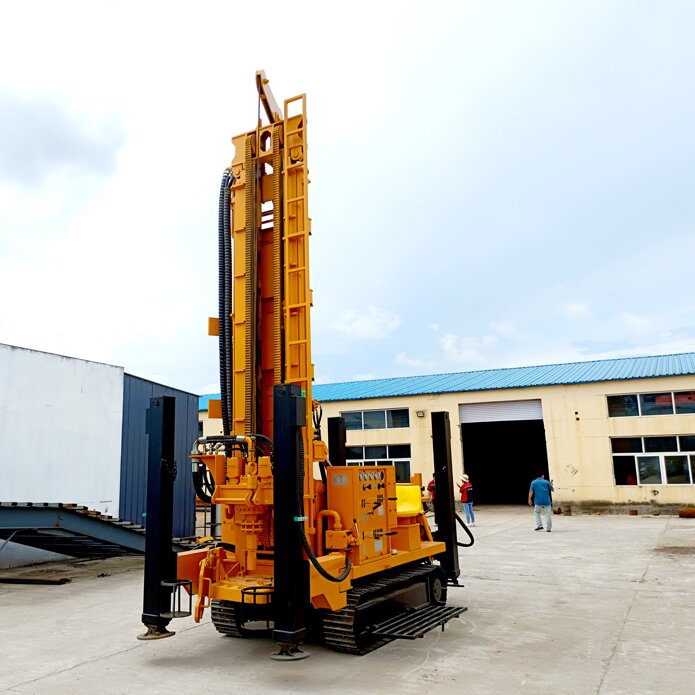
The Quartzite Challenge: Why It's So Difficult
1. Slow Drilling, Low Efficiency: The rock is so hard that breaking it up is a major struggle, severely dragging down your drilling speed.
2. Rapid Tool Wear: Its abrasive nature chews through drill bits, rods, and other tooling incredibly fast, hiking up your operating costs.
3. High Power Demands: You need huge impact energy and massive torque just to smash the rock into submission.
4. Deviation Risk: The inconsistent nature of the rock can easily cause the borehole to drift off-target.
Core Principles for Selecting Granite Geological Water Well Drills:
1. High Power Setup: Must have a large-horsepower engine and a high-pressure air compressor.
2. Heavy-Duty Structure: The mast, chassis, and hydraulic system need to be robust enough to handle high-frequency, heavy-load impacts without failing.
3. Quality Tooling: Pair the rig with highly wear-resistant, high-efficiency drill bits and tooling.
Top Drilling Methods for Quartzite
1. Down-The-Hole (DTH) Hammer Drilling
How it Works: Uses high-pressure air to drive a DTH hammer, delivering rapid, high-frequency impacts to shatter the rock.
The Advantage: It's fast and highly efficient in hard rock, making it the most common and effective method.
Best Use: The preferred method, especially for deeper or larger-diameter wells in quartzite.
2. Hydraulic Top-Drive Rotary Drilling
How it Works: A hydraulic system provides massive torque to rotate diamond or carbide bits, which then cut and grind the rock.
The Advantage: Delivers high drilling accuracy and can handle extremely hard formations.
Best Use: Great for projects where hole precision and wall quality are critical, though generally slower than DTH.
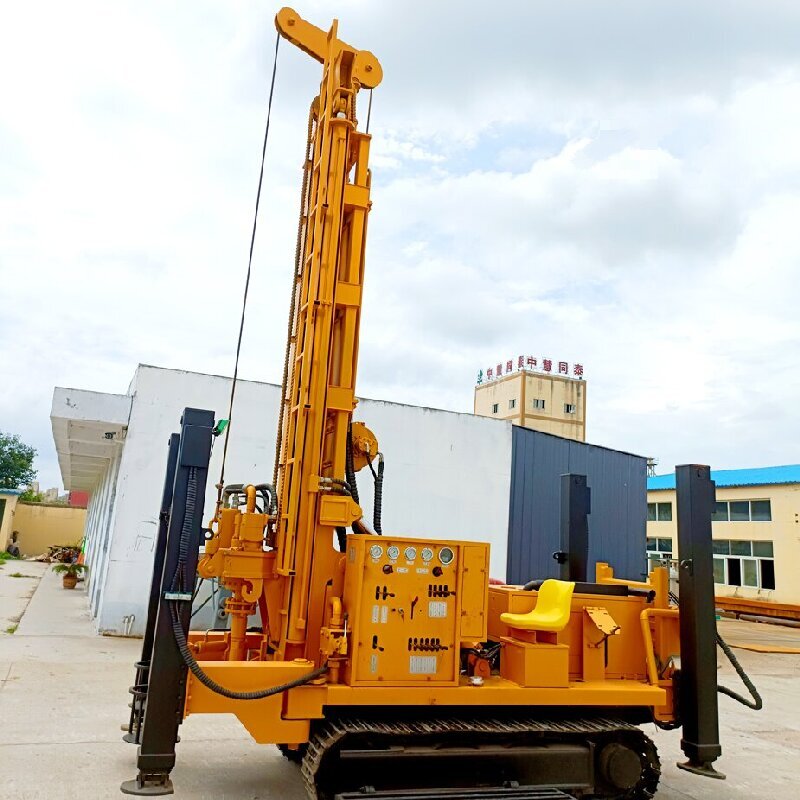
Selecting a Pearldrill Water Well Drilling Rig: Key Features to Look For
1. Power and Air System
Technical Spec
|
Quartzite Requirement
|
Pearldrill Focus Point
|
Air Compressor
|
High pressure AND large volume
|
Crucial for the DTH hammer's impact. Look for models with powerful, well-known brand compressors.
|
Engine Power
|
Plenty of Horsepower (HP)
|
Needed to drive both the compressor and the hydraulic system for sustained, high-efficiency operation.
|
2. Feed and Hoisting Force
High Hoisting Force: Essential for handling tricky downhole situations like sticking or pulling heavy drill strings. Heavy-duty Pearldrill rigs should have a hoisting capacity of over 15 tons.
Stable Feed System: The hydraulic cylinder or chain feed system must provide smooth, consistent pressure to keep the DTH hammer properly engaged with the rock.
3. Structure and Tooling
Heavy-Duty Mast and Chassis: You must select a heavy-duty Pearldrill model with a high structural safety factor and high-strength steel to withstand constant, high-frequency impact and vibration.
Automatic Rod Changer: Speeds up the job and reduces operator fatigue.
Tooling: Use Pearldrill's recommended high-wear alloy bits and high-strength drill rods to fight the rock's abrasiveness as much as possible.
4. Specific Pearldrill Models
For quartzite, stick to Pearldrill's full-hydraulic DTH series. Look for models designed for mining or hard rock drilling, as they come equipped with the high-power compressors and robust hydraulic systems needed for superior torque, impact resistance, and durability.
Operation and Maintenance Tips
1. Control Feed Pressure: You need to carefully manage the feed pressure during drilling. Too little, and efficiency drops; too much, and you increase wear. Find the sweet spot where the DTH hammer operates optimally.
2. Change Bits on Time: In quartzite, constantly monitor your drill bits. Replace dull or heavily worn bits immediately to prevent the rig from overloading due to poor cutting efficiency.
3. Regular Maintenance: Be strict about checking and maintaining the air compressor, hydraulic oil, and power head. Keeping your high-pressure systems in top shape is key to maximizing your Pearldrill equipment's lifespan.
 Conclusion:
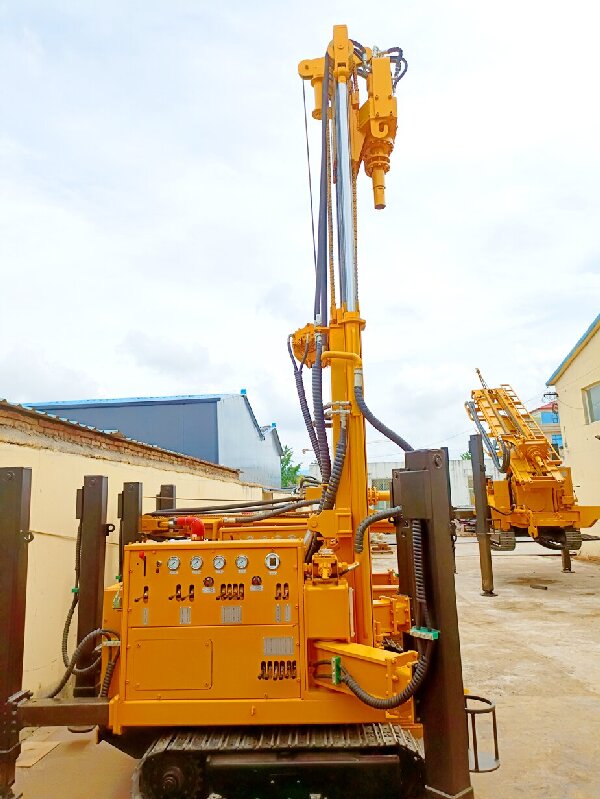
In 2025, if you're tackling quartzite, your water well drill rig needs to be high-power, high-strength, and high-wear-resistant. When choosing a Pearldrill machine, make sure you focus on their heavy-duty, full-hydraulic DTH series that features a high-pressure, large-volume air compressor and massive hoisting capacity. This is the only way to ensure your rig can reliably and efficiently handle the toughest rock drilling jobs.
Contact us
I Hope This Article Was Helpful. If You Have Any Other Questions, Please Feel Free To Contact Us.