
In water well drilling, matching the water well Drilling Rig with the DTH hammer directly determines drilling efficiency, well quality, and equipment life. If the DTH hammer is 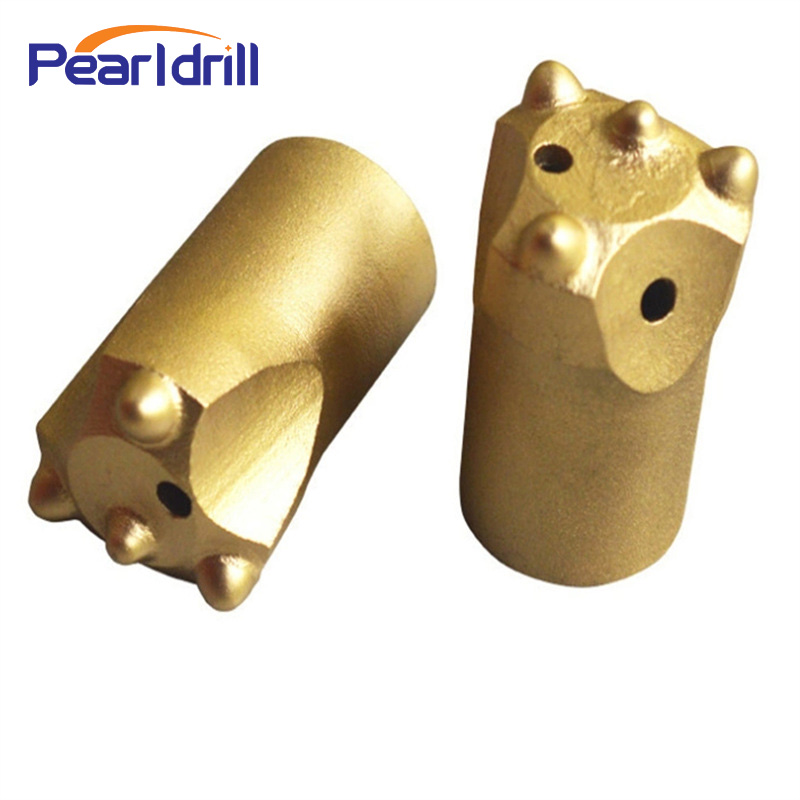 selected improperly, at best you get low penetration rates and faster wear on the drill string, and at worst you get broken drill rods, damaged hammers, or even downhole accidents. This article lays out the matching principles and selection methods for DTH hammers in a systematic way, and includes a selection reference table for use on site.
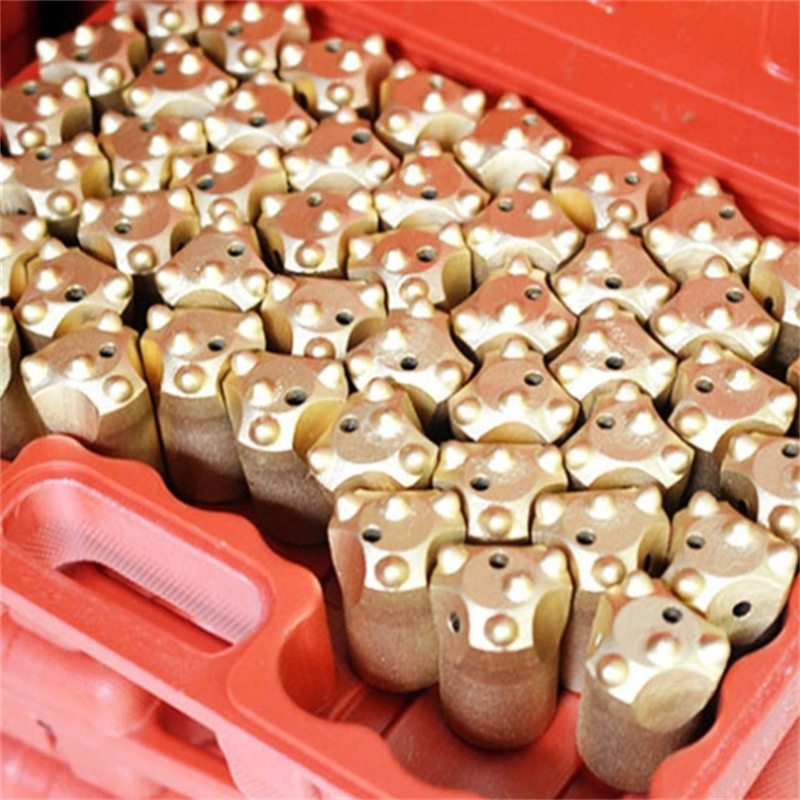
1. Small diameter (Φ110–Φ165 mm): suits light hammers (such as 3-inch and 4-inch series), with low air consumption, suitable for Pearldrill small and medium crawler water well drilling rigs, mostly used for household wells and irrigation wells.
2. Medium diameter (Φ165–Φ250 mm): suits 4-inch and 5-inch hammers, and is the mainstream range for water well drilling; Pearldrill medium and large models have the highest matching degree in this range.
3. Large diameter (Φ250–Φ400 mm): requires 6-inch and 8-inch hammers, and air consumption and torque demand rise significantly, so you should choose Pearldrill high-power models and verify the air compressor configuration.
Rig model (Pearldrill)
Recommended hole diameter range (mm)
Matching hammer specification
Bit diameter (mm)
Recommended compressor air volume (m³/min)
Working pressure (MPa)
Typical application scenario
Light crawler rig (small)
110–165
3-inch/4-inch
110–165
7–12
1.0–1.7
Household wells, shallow irrigation wells
Medium crawler rig
165–220
4-inch/5-inch
165–220
12–18
1.2–2.0
Agricultural irrigation wells, township water supply wells
Large crawler rig
220–300
5-inch/6-inch
220–300
18–25
1.5–2.5
Deep well water supply, industrial water wells
Truck-mounted/semi-onboard large rig
300–400
6-inch/8-inch
300–400
25–35
1.7–2.5
Large-diameter deep water wells, emergency water source wells
Note: The air volume in the table is a reference value for compressor discharge corresponding to the hammer's rated air consumption; actual selection should be calculated as "hammer air consumption × 1.1–1.2"; threaded connections must match the drill pipe string.  Click
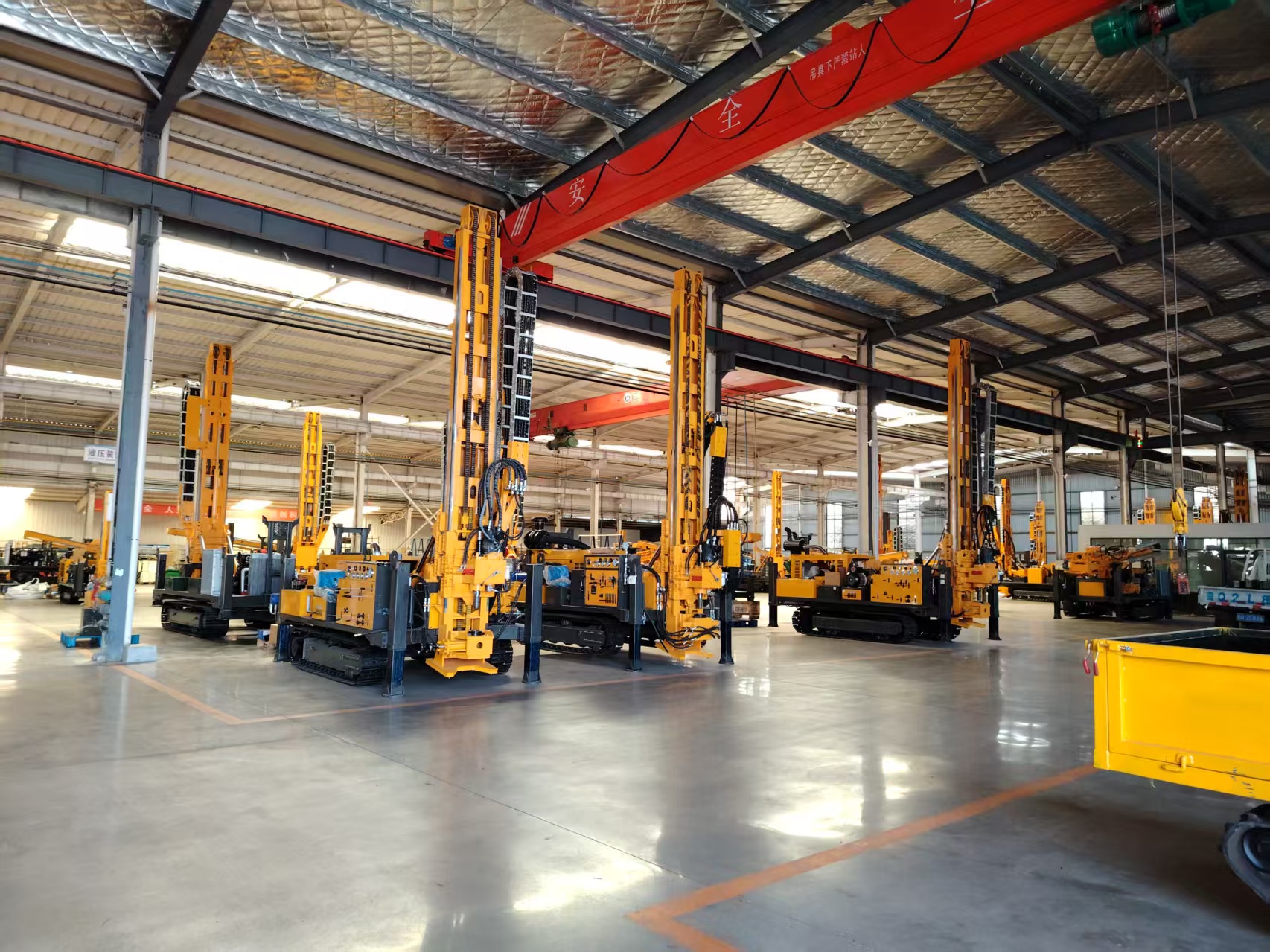
Misunderstanding one: looking only at rig tonnage, not the air compressor. The "power" of DTH drilling mainly comes from compressed air, not the rotary system. A rig with sufficient lifting force but insufficient compressor air volume will actually drill slower when matched with a large hammer. When selecting a Pearldrill rig, you should confirm the compressor parameters at the same time, and use an external compressor solution if necessary.
Misunderstanding two: the bigger the hammer, the better. Hammer specification should match hole diameter and rig capability. Matching a small rig with a large hammer means air volume and pressure can't keep up, the hammer "won't fire," and the drill string weight exceeds lifting capacity, creating safety hazards.
Misunderstanding three: ignoring flushing and hole wall stability. In water well drilling, when encountering loose formations and aquifers, flushing air volume needs to be appropriately increased, along with foam or water injection drilling; at the same time, pay attention to bit and drill pipe gradation to avoid poor flushing passages.
Precautions: Before construction, calculate the drill string weight and air volume; regularly check hammer piston and bit carbide button wear; during deep-hole operations, pay attention to drill pipe thread torque transmission to prevent connection loosening.
Conclusion
Matching a water well drilling rig with a DTH hammer is systematic work with "air volume and pressure as the guiding principle, hole diameter and specification as the specific items, and torque and lifting force as the guarantee." Pearldrill water well drilling rigs cover a complete product range from small crawler to large truck-mounted, and as long as you check compressor configuration, hammer specification, and drill string connections according to the principles in the table above, you can achieve efficient matching between rig and DTH hammer, ensuring well quality while extending drill string life and reducing overall construction cost. For actual selection, it is recommended to rely on the equipment manufacturer's technical parameters and on-site formation conditions, and to carry out trial drilling verification when necessary.
 Click Below to Consult Our Experts on Maximizing Efficiency with High-Performance Tools.
 More Related Articles About [Water Well Drilling Rig]
China Water Well Drilling Rigs in 2026 the Best Water Access Partner for Water Scarce Africa
Which Chinese Water Well Drilling Rig Manufacturer Is the Strongest in 2026
Head Manufacturers of Crawler Water Well Drilling Rigs in China in 2026Contact: Mr Chen
Phone: +86 13874354330
Tel: +86 746 8323309
Email: pearldrill02@guangzhouintl.com
Add: 3rd Floor, Wanli Market, Fenghuang Road, Lengshuitan District, Yongzhou City ,Hunan Province China