
In drilling operations, no matter how advanced your water well Drilling Rig is, once the drill bit starts rusting and corroding, your drilling efficiency takes a nosedive. Even worse, it can lead to stuck-pipe accidents, costing you an arm and a leg. This is especially true when you're working in the rainy season or in places with high humidity—drill bit rust is literally every drilling crew's worst headache. So let's break down the core tips for preventing rust after drilling, and help you extend your bit's lifespan by over 50%.
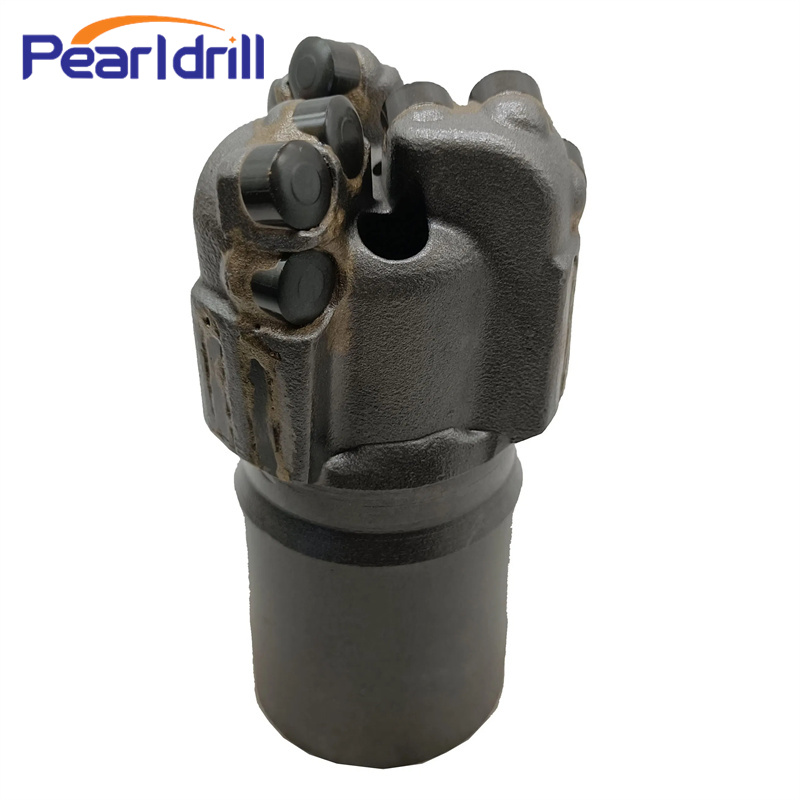
During drilling, the bit endures insane friction and impact, and its surface temperature goes through the roof. After you finish drilling, the bit is usually caked with mud, cuttings, and moisture. If you don't clean it properly, those wet leftovers create a galvanic cell effect, which speeds up electrochemical corrosion of the steel. A lot of customers tell us, "But I oiled it last time I used it—why is it still rusty?"—and nine times out of ten, it's either because they didn't clean it thoroughly enough, or they picked the wrong rust preventative.
Step
What to Do
Why You're Doing It
Impact
Clean it ASAP
Right after pulling the bit out, blast it with a high-pressure water gun to get rid of all the mud and cuttings. Pay special attention to the flow channels on PDC bits and the spline grooves on DTH bits.
Remove anything that causes corrosion.
drill bit cleaning, removing cuttings
Dry it completely
Use compressed air to blow-dry the bit's surface and every little gap, especially the threaded connections. Do NOT just leave it out to air-dry.
Get rid of every last bit of moisture.
Compressed air drying, thread rust prevention
Penetrate and displace moisture
Spray the metal surface with WD-40 or a dedicated displacement-type rust preventative. This pushes out the moisture you can't even see.
Remove moisture at a molecular level.
Penetrating anti-rust, displacement rust preventative
Apply anti-rust grease
Pearldrill recommends using a calcium sulfonate-based grease or a nano anti-rust agent. Apply it evenly on the carbide teeth, the bit body, and the threaded areas.
Physically seal the metal from air.
drill bit maintenance, anti-rust grease
Put on the protective cap
Slip a dedicated rubber protective cap over the bit to prevent impact damage to the carbide teeth, and also keep moisture out.
Prevent bumps and dampness.
drill bit protector, carbide teeth repair
Store it upright
Store the bit standing up on a dry wooden or rubber pad. Never just dump it on the bare ground.
Avoid moisture and distortion.
drill bit storage, tool management
Check it regularly
During storage, regularly check if the anti-rust coating is peeling off. If any carbide teeth are badly worn, re-grind them before reapplying rust protection.
Catch problems early and cut your losses.
drill bit repair, equipment availability
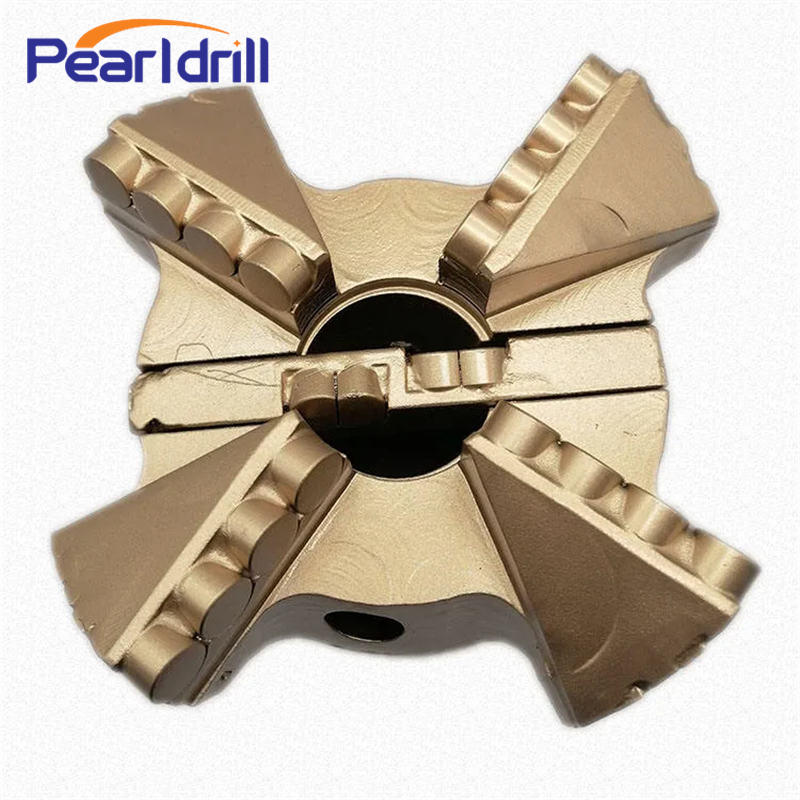 1. Short-term storage (under 7 days): After cleaning and blow-drying, apply a thin layer of rust-preventive oil.
2. Long-term storage (over 7 days): You must use a high-adhesion, soft-film rust preventative. According to the Pearldrill technical manual, products like our PF-nano rust preventative actually form a chemical bond with the steel surface, giving you over 10 years of rust protection without affecting the bit's precision.
Special reminder: If you're using a PDC bit, make sure to check the gauge teeth for micro-cracks. If water seeps into those cracks, the bit can easily snap underground due to the high temperature and pressure down there.
On a 200-meter-deep water well project in Guangdong, the crew was using Pearldrill DTH bits. Because the area had a lot of groundwater, they didn't pay much attention to rust prevention at first. The bit threads corroded badly, making it a nightmare to break them out. On average, they had to replace the bit after every 3 wells. But after they started following the rust-prevention process above—especially sticking to using a pneumatic grinder to re-sharpen the carbide teeth and applying high-quality waterproof grease—each bit's total drilling footage jumped from 400 meters to 650 meters. Their overall costs dropped by 30%.

The Bottom Line:
Drill bit rust prevention is no small matter. It directly impacts your drilling efficiency and your bottom line. Instead of waiting until your bit is already rusty and then shelling out big bucks for repairs or replacement, start today by strictly following the standard "clean-dry-grease-cap" routine. If you're looking for more durable water well bits, or if you want to know more about Pearldrill's full range of PDC bits, roller-cone bits, and DTH bits, and their detailed maintenance specs, feel free to reach out to us. Our technical engineers can give you a free drill bit usage diagnosis and a customized rust-prevention plan, so you can say goodbye to rust issues and get the most out of your drilling operations!
 Click Below to Consult Our Experts on Maximizing Efficiency with High-Performance Tools.
 More Related Articles About [ Drill Bits]
Common Mistakes When Buying Chinese Drill Bits in 2026 and How to Avoid Them
Which Brand Has the Most Reliable Water Well Drill Bits in 2026
How to Choose High-Impact-Resistance DTH Drill Bits Made in ChinaContact: Mr Chen
Phone: +86 13874354330
Tel: +86 746 8323309
Email: pearldrill02@guangzhouintl.com
Add: 3rd Floor, Wanli Market, Fenghuang Road, Lengshuitan District, Yongzhou City ,Hunan Province China
