Top 10 Underground Water Detector Brands Collected at the End of 2025
With the increasing pressure on global water resources, the importance of groundwater exploration is becoming more and more evident. Underground water detectors—geophysical exploration instruments used for underground water resource exploration and water finding are essential equipment for hydrogeologists. These instruments use principles such as electrical resistivity and transient electromagnetic methods to help accurately locate underground aquifers. Based on market activity, technological innovation, user feedback, and specific requirements, here is the 2025 list of the top ten water detector brands for you:
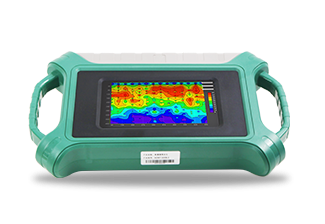
1. Nanjing Tuopu
Why it's on the list: One of the leading domestic geophysical exploration instrument companies in China. It offers a wide range of products, especially in electrical methods like high-density resistivity meters and shallow seismic instruments. Known for mature technology and user-friendly interfaces, their instruments are widely used in hydrogeological, engineering, and environmental exploration projects both at home and abroad.
2. Geophysical Instrument Company (AGI)
Why it's on the list: An internationally renowned geophysical instrument manufacturer. AGI's SuperSting™ series resistivity/IP imaging systems are highly regarded in groundwater exploration, environmental monitoring, and geotechnical engineering, known for fast data acquisition and high reliability.
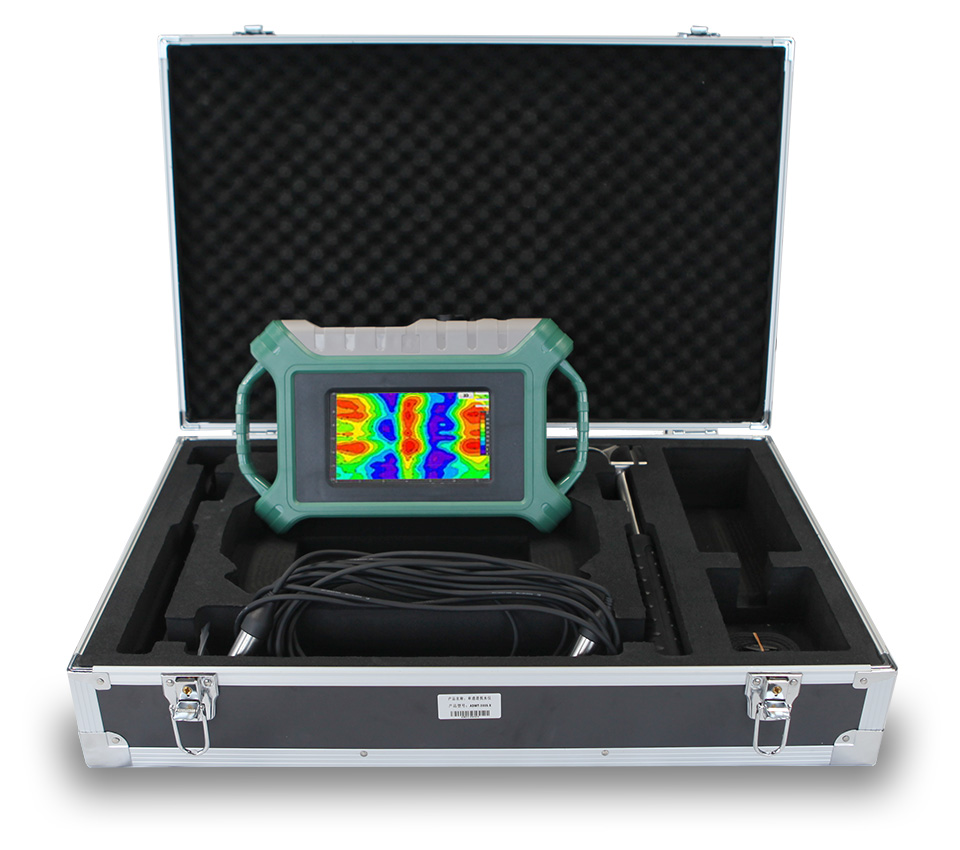
3. Pearldrill
Why it's on the list: As an emerging exploration equipment provider, Pearldrill has been impressive in recent years with its portable and wireless remote sensing underground water detectors. The brand focuses on developing user-friendly digital underground water detectors suitable for quick fieldwork. Their products offer great value and are popular in remote areas and primary exploration markets.
4. Swedish ABEM
Why it's on the list: A long-established exploration instrument brand famous for excellent quality and precision. ABEM's Terrameter SAS series and WalkTEM transient electromagnetic systems are top choices for many high-end hydrogeological projects, especially for modeling complex groundwater environments.
5. Finland GeoVista
Why it's on the list: Specializes in resistivity and IP imaging technology, offering innovative solutions. Their systems are compact, modular, and adaptable to exploration tasks of different scales, providing high-resolution data for water resource and mineral exploration.
6. Nanjing Geological Instrument Factory
Why it's on the list: A veteran Chinese geological instrument manufacturer with deep expertise in traditional exploration techniques like electrical and magnetic methods. Their underground water detectors are known for stability, durability, and easy maintenance, making them popular among grassroots hydrogeological units.
7. Canada Geometrics
Why it's on the list: While better known for magnetometers and seismographs, their multifunctional exploration systems are also suitable for groundwater exploration. Geometrics products are praised by professionals for their ruggedness and advanced technology.
8. Germany GEOMARE
Why it's on the list: Offers high-precision geophysical measurement systems, with particular strengths in transient electromagnetics and ground-penetrating radar. These technologies are key tools for groundwater and underground pipeline exploration.
9. Hunan Kejie
Why it's on the list: Focuses on developing digital and intelligent exploration equipment. Their underground water detectors excel in data processing and software analysis, aiming to provide integrated exploration solutions and improve fieldwork efficiency.
10. USA Iris Instruments
Why it's on the list: Iris Instruments is an expert in electrical and inductive electromagnetic methods. Their resistivity imagers and IP systems are used worldwide for groundwater exploration, mineral exploration, and environmental geophysical research.
 In Summary:
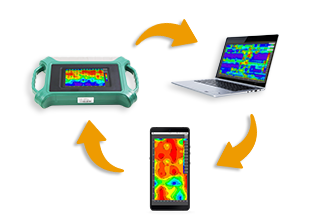
In 2025, the water detector market is trending toward digitalization, wireless technology, and integration. From traditional resistivity methods to advanced transient electromagnetics (TEM) and ground-penetrating radar (GPR), major brands are continuously improving instrument accuracy, portability, and data processing capabilities. Whether it's a professional team searching for deep wells or an engineering unit assessing shallow aquifers, this list offers efficient exploration tools to meet a variety of needs.
In Summary:
In 2025, the water detector market is trending toward digitalization, wireless technology, and integration. From traditional resistivity methods to advanced transient electromagnetics (TEM) and ground-penetrating radar (GPR), major brands are continuously improving instrument accuracy, portability, and data processing capabilities. Whether it's a professional team searching for deep wells or an engineering unit assessing shallow aquifers, this list offers efficient exploration tools to meet a variety of needs.
Click the Link to Contact Us Immediately and Learn More About Water Detectors.
Contact us