
Located in the Horn of Africa, Somalia is dominated by arid plateaus and vast deserts. With extreme long-term droughts, surface water is practically non-existent. Finding and 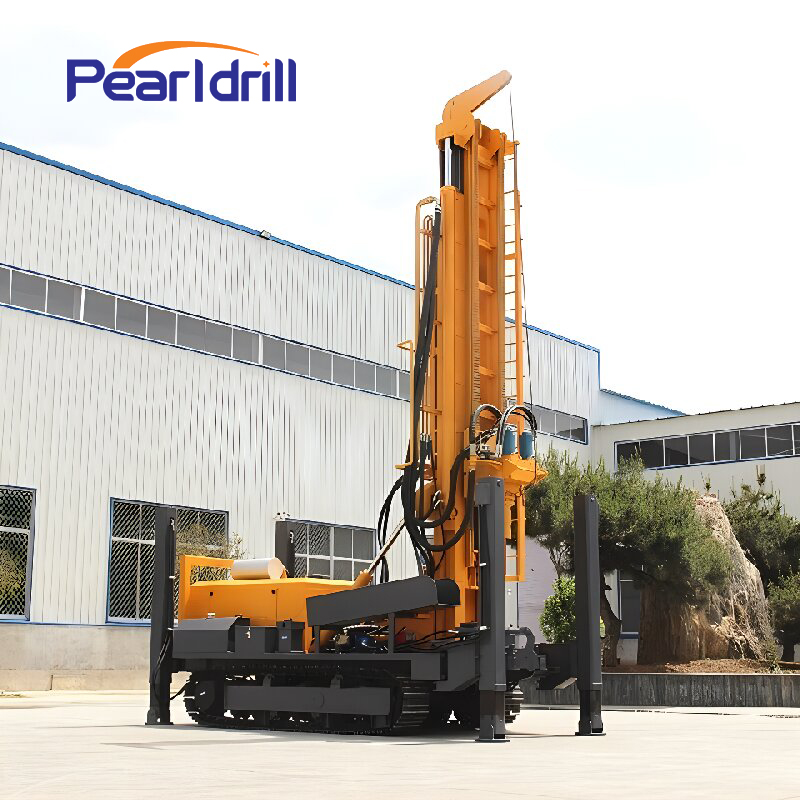 developing stable, clean underground water sources is hands-down the most critical path to improving local livelihoods, supporting crop irrigation, and keeping livestock alive. That said, drilling wells in the Somali desert is no walk in the park. Complex geological structures (loose sand on top, rock-hard basalt or granite underneath), high salinity, extreme water scarcity, and scorching temperatures put a well drilling rig’s performance, durability, and technique to the ultimate test. Drawing on field experience from geotechnical projects across the Middle East and East Africa, this article breaks down key strategies for successfully finding water and drilling wells in the Somali desert using high-efficiency crawler-type water well drilling rigs.
1. Complex, Alternating Strata: The surface often consists of dozens of meters of loose dry sand and gravel, which collapses super easily. Beneath that, you run into extremely hard crystalline rock or karst fissure layers where traditional mud rotary drilling moves at a snail's pace.
2. Extreme Lack of Water for Construction: Deserts have no ready water supply. If you rely on traditional mud circulation, you’ll burn through massive amounts of water, driving transport costs through the roof.
3. Severe Heat and Dust: Summer ground temperatures in Somalia frequently cross 45°C (113°F). That places immense stress on the rig’s power system (diesel engine), hydraulic system, and cooling capacity.
Blind drilling in the desert almost always fails. Engineering crews usually start with geophysical methods—like high-density electrical prospecting—to locate water-bearing fracture zones. After that, they bring in pneumatic water well drilling rigs paired with DTH hammer technology. DTH hammers use high-pressure air to break up rock, so you don't need tons of water. This solves the water shortage issue while smashing through hard rock layers at impressive speeds of 10 to 30 meters per hour.
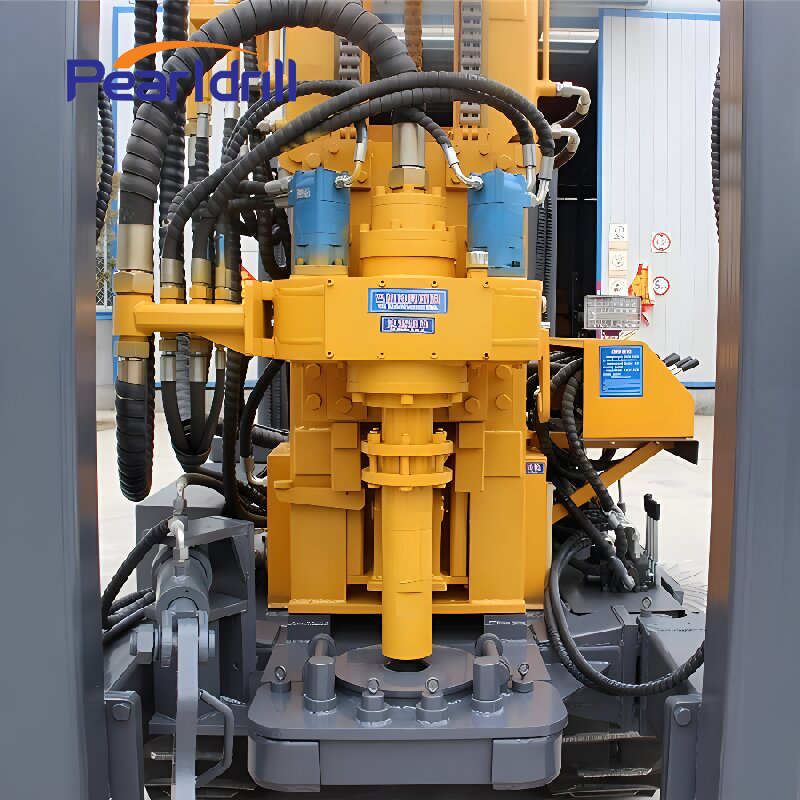 Raw Power and Off-Road Mobility: Deserts don't come with paved roads. Pearldrill crawler pneumatic water well drilling rigs feature a heavy-duty steel crawler chassis with high ground clearance. They effortlessly trek through soft sand and rocky desert terrains to reach designated sites quickly.
High-Torque Hydraulic Powerhead: When tackling deep, complex geology, Pearldrill rigs use a high-torque hydraulic rotary head alongside massive lifting capacity. This prevents drill pipe sticking or sagging when working on 200–400 meter deep wells.
Heavy-Duty Cooling System: To survive Somalia’s heat, Pearldrill beefed up and expanded the radiators for both the engine and hydraulic oil. This keeps the system from overheating and shutting down, even during continuous, heavy-duty operation in scorching weather.
The loose sand on the surface collapses easily, and using air drilling right away can blow the hole out. Field-tested experience shows the best approach is using mud circulation first to stabilize and drill through the sandy top layer. Once casing is set and grouted, you switch over to the Pearldrill DTH pneumatic hammer for rapid rock breaking. Flexibly switching between these two modes dramatically improves well completion success rates.
Evaluation Metric
Traditional Mud Rotary Water Well Drilling Rig
Pearldrill Crawler Pneumatic Water Well Drilling Rig
Suitable Strata
Clay, sandy clay, soft rock
Soft soil, dry sand, hard basalt/granite (all-formation capable)
Depth & Efficiency
Mainly shallow wells; extremely slow in hard rock (< 2 m/h)
Easily handles 200–500m deep wells (15–25 m/h in hard rock)
Water Consumption
Extremely high (requires tons of water for mud circulation)
Extremely low (uses high-pressure air compressors to break rock)
Mobility & Site Setup
Truck- or trailer-mounted; easily gets stuck in soft sand
Self-propelled crawlers; excellent mobility on rough desert terrain
Well Quality & Yield
Mud can clog fine fractures in the aquifer
High-pressure air flushes the well clean, opening water channels for higher yield
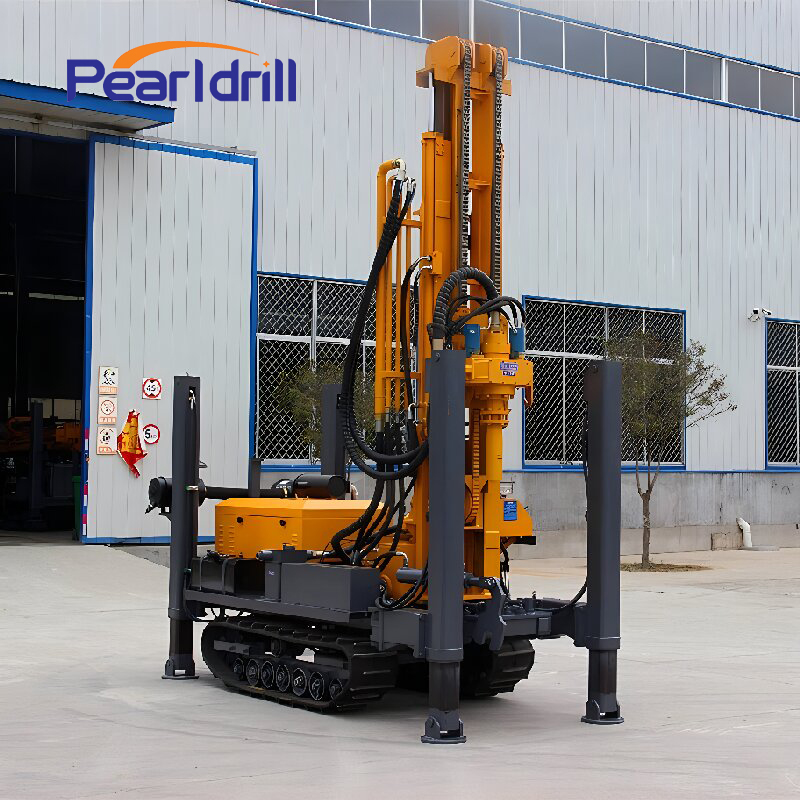
1. Clean Air Filters Daily: Sand and dust are complete engine killers. Always use double or triple-stage air filtration, and make it a habit to blow out and replace filters daily.
2. Inspect Drill Bits and Rod Joints: DTH hammers pack a massive impact force. Routinely check the alloy button wear on your DTH drill bits and inspect the threads on high-strength drill rods. Don't forget to apply specialized thread grease.
3. Keep an Eye on Hydraulic Oil Quality: Extreme heat oxidizes hydraulic oil much faster. Regularly inspect oil quality and keep the oil cooler screens clear of debris to maintain stable system pressure.
The Bottom Line
Tapping into groundwater in the Somali desert takes a solid combo of upfront geophysical surveying, smart drilling techniques (switching between mud and air modes), and high-performance equipment. Built for speed, low water usage, great off-road capability, and extreme weather resilience, high-quality crawler pneumatic water well rigs—like those from Pearldrill—have become the go-to machinery for desert water projects, bringing a steady supply of vital groundwater to local communities.
Contact us
 Learn More About Chinese Rigs By Clicking The Link For Answers.
 More Related Articles About [Water Well Drilling Rig]
Pearldrill vs. Sany vs. Feida: Which Water Well Drilling Rig is Best for African Hard Rock
How to Source Parts and Maintain Chinese Water Well Drilling Rigs in Remote Africa
Which Water Well Drilling Rig Is Suitable for Congo's Geology in 2026
Contact: Mr Chen
Phone: +86 13874354330
Tel: +86 746 8323309
Email: pearldrill02@guangzhouintl.com
Add: 3rd Floor, Wanli Market, Fenghuang Road, Lengshuitan District, Yongzhou City ,Hunan Province China
