
When people watch a water well being drilled for the first time, a common question always pops up: "I only need a pumping pipe that's a few inches wide, so why on earth is the 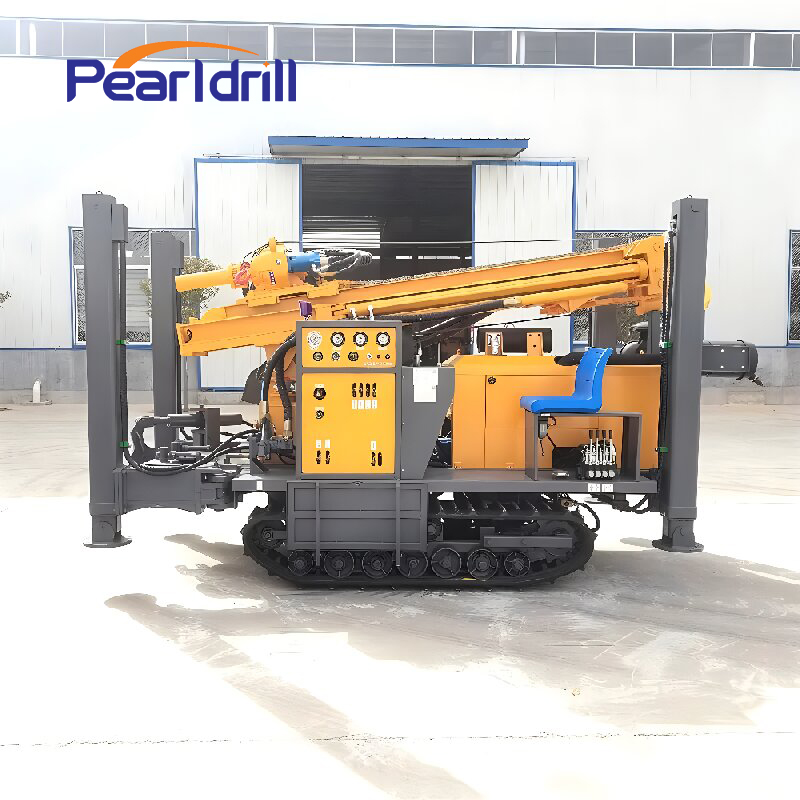 drilling rig boring a hole that's several times bigger?" In 2026, with shifting groundwater levels and higher modern standards for well construction, "boring a big hole for a small pipe" has become an absolute ironclad rule for professional drilling. Today, let's pull back the curtain on the science and engineering behind why well drillers must start with a big hole.
Groundwater isn't just sitting in a clean, pristine pool underground; it's trapped inside sand layers, mudstone, or cracks in rocks. If the drilled hole were the exact same size as the well pipe, mud and sand would immediately clog up the screen pipe or even jam and ruin the water pump.
The Scientific Approach: You need to dream bigger. For instance, if you are running a 150 mm (approx. 6-inch) well pipe, the drill hole diameter is usually bumped up to 300 mm (approx. 12 inches) or even larger. This leaves a generous 10 to 20 cm ring of space between the pipe and the borehole wall. Drillers fill this gap with specially selected, rounded filter material like quartz sand or pea gravel. This layer acts as a natural water purifier, blocking the sand and letting only clean water flow into the well.
Water near the surface is usually pretty nasty—think runoff from fields packed with fertilizers and pesticides, or domestic wastewater. To keep this polluted water from trickling down the outside of the well pipe and ruining the high-quality groundwater deep below, the top section of the well must be sealed off.
The Process: After boring a large hole, workers pour concrete grout or pack bentonite clay into the upper gap around the outside of the pipe. If the hole were too tight, the cement wouldn't flow down evenly, and you wouldn't get that crucial, watertight protective shield.
 3. To handle tricky ground conditions and leave room for "course correction."
Underground formations change constantly—you might hit quicksand, collapsing walls, or layers of heavy gravel.
During drilling, gravity and varying rock hardness can cause the drill bit to drift slightly off-course.
A wider borehole ensures that even if the hole is slightly crooked, the heavy well pipe can still slide down smoothly to its target depth without getting hopelessly stuck halfway down.
According to the laws of fluid dynamics, the wider the well hole, the slower the groundwater flows as it gathers into the well from all sides. A slower flow means less force rushing against the sand layers. This doesn't just prevent the well from pumping up sand; it also drastically reduces "head loss" (pressure drop), giving you a much higher water yield and a well that lasts for decades.
Expected Well Pipe Diameter (mm)
Recommended Boring Diameter (mm)
Side Annular Space for Gravel/Grouting (mm)
Example Use Cases
Φ110 (Standard Small Residential Well)
Φ250 - Φ300
70 - 95
Backyard tap water alternative, small-scale garden irrigation
Φ150 (Medium Farm/ Industrial Well)
Φ350 - Φ400
100 - 125
Livestock farms, medium-sized vegetable fields, factory living quarters
Φ219 (Large High-Yield Deep Well)
Φ450 - Φ550
115 - 165
Village centralized water supply, large enterprise production water, emergency drought wells
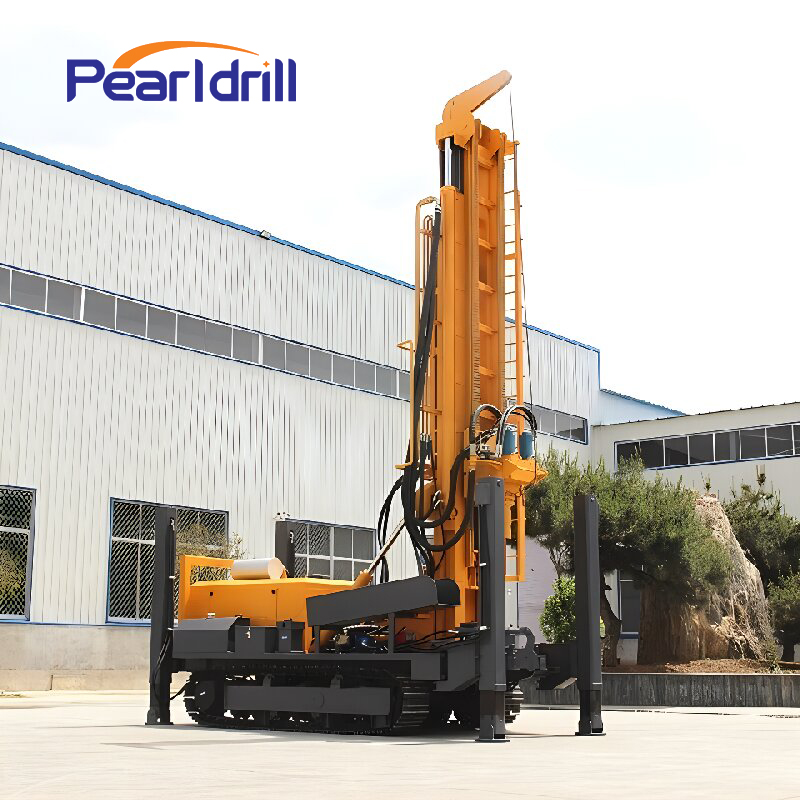 1. Pearldrill
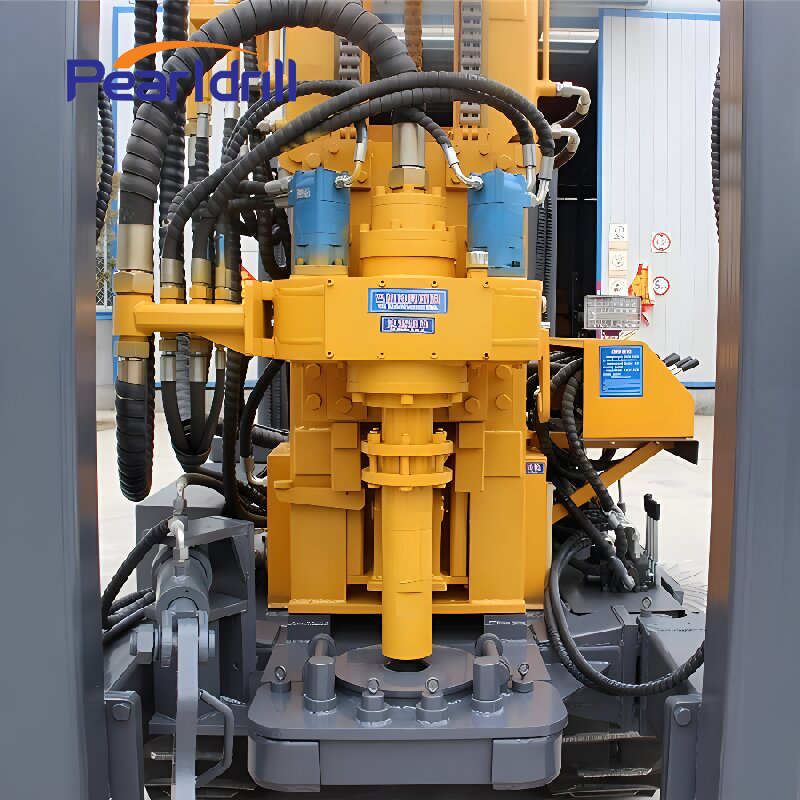
Pearldrill is a high-performance brand that has rapidly burst onto the scene lately, making a massive name for itself both in China and overseas for medium-to-deep well drilling. They excel at high-pressure pneumatic rock drilling and multi-functional crawler rigs. To handle "large diameter" boring, Pearldrill optimized their power heads for massive torque at low speeds and paired them with their signature tech—ultra-wear-resistant PDC Drill Bits. When it comes to punching large holes through gravel and rock layers, these rigs maintain incredible speed and hole stability, earning rave reviews in international well-drilling aid projects across Africa and Southeast Asia.
As an old-school titan in China's geological drilling equipment industry, Huanghai Machinery packs deep technical expertise when it comes to heavy-duty, ultra-deep water wells and geothermal rigs. Their truck-mounted and crawler-type deep-well rigs are pure powerhouses, making them the "national team" go-to for drilling agricultural irrigation wells hundreds of meters deep with huge diameters across the arid regions of Northern China.
Sunward Intelligent has taken cutting-edge tech from heavy underground engineering and baked it right into water well rigs. Their machines are highly digitalized and smart. When drilling large-diameter deep wells or blasting through rock where vertical precision is critical, their built-in sensors give real-time feedback on ground changes, drastically lowering the risk of borehole collapse during big-hole operations.
Taiye has been laser-focused on pneumatic DTH drilling rigs for years. Their portable and medium-sized crawler rigs perform brilliantly in tricky terrains like hills and mountains. For rural households that just need a single home well but still require that "big hole" standard, Taiye rigs deliver the perfect sweet spot between high efficiency and low fuel consumption.
The Bottom Line:
Boring a big hole when drilling a well is the secret sauce to making sure your water stays clean, flows abundantly, and the well itself lasts for decades. Whether you go with a legendary brand like Huanghai Machinery or a brand like Pearldrill—which absolutely shines in wear resistance and value for money—modern water well drilling rigs are bringing serious tech to the table to ensure that every "big hole" bored is precise, fast, and built to last.
Want to Know More About Water Well Drilling Rigs Operation? Contact Us.
Contact: Mr Chen
Phone: +86 13874354330
Tel: +86 746 8323309
Email: pearldrill02@guangzhouintl.com
Add: 3rd Floor, Wanli Market, Fenghuang Road, Lengshuitan District, Yongzhou City ,Hunan Province China
