
In 2026, finding groundwater in tricky karst areas is no longer just about "gut feeling" or old-school experience. Thanks to leaps in geophysical tech and smarter water management, we have entered a new era of high-precision, multi-field intelligent detection. Karst terrain is a nightmare for old gear—sinkholes, fissures, and underground rivers create a chaotic maze where traditional tools often fail. Here's your professional guide to picking the right underground water detector in today's landscape.
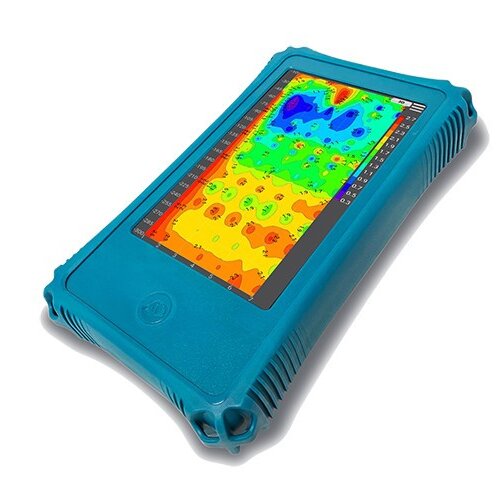
1. Multi-Field Fusion Tech
Top-tier 2026 underground water detectors don't just measure resistivity anymore. You want a device that analyzes electric, magnetic, and natural electric fields simultaneously. Cross-referencing these parameters helps you tell the difference between a "real water source" and just a "damp mud hole."2. AI Real-Time Imaging & Anti-Noise Algorithms
Modern gear should have deep learning built in. When shopping, look for:Instant Mapping: You should be able to see 2D or 3D profiles right on your phone or tablet without exporting data.
Cloud Calibration: 2026 models should connect to Beidou or satellite networks to auto-tune themselves based on your exact coordinates.3. Ruggedness
Karst environments are humid and harsh. Make sure the device is IP68 rated (dust and waterproof). Also, wireless sensor cables are a huge liability when you're scrambling over jagged rocks.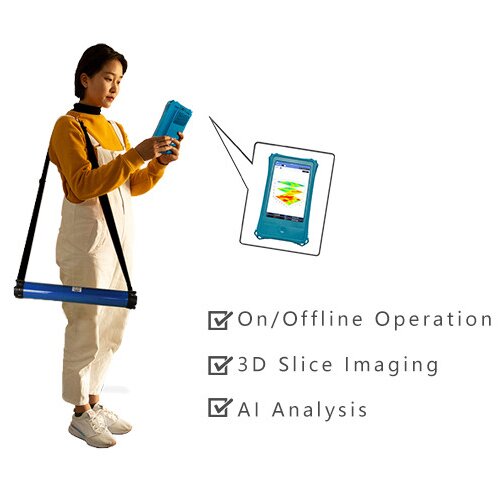
Golden Rod Pro (Professional MT Electromagnetic Geophysical Tool, New Generation 2024)
Click ☝☝
|
Target |
Depth |
Recommended Tech |
Key Factor |
|
Shallow Fissures |
Under 100m |
High-frequency EM / GPR |
Resolution & Sampling Rate |
|
Mid-Deep Rivers |
100m – 500m |
Natural Electric Field (e.g., Pearldrill A-Series) |
Signal Gain & Anti-interference |
|
Ultra-Deep Thermal Water |
Over 500m |
Wide-area EM / Multi-channel Geophysics |
Penetration & Syncing |
Contact us
Want to Know More About How a Particular Detector Works? Contact Us Today!
Contact: Mr Chen
Phone: +86 13874354330
Tel: +86 746 8323309
Email: pearldrill02@guangzhouintl.com
Add: 3rd Floor, Wanli Market, Fenghuang Road, Lengshuitan District, Yongzhou City ,Hunan Province China