Wiki

How to Choose a Professional Underground Water Detector in 2026

Across the vast lands of Africa—whether it's for farming, mining, or getting clean water to a local village—groundwater is the ultimate lifeline. But let's be honest: Africa's geology is tough. You've got everything from rock-hard ancient bedrock to loose sediment, and too often, people end up drilling deep holes only to find zero water. Choosing a professional water detector isn't just about buying a gadget; it's like buying "success insurance" for your project.
How to Choose a Professional Underground Water Detector in 2026

Here's a Plain-English Guide on How to Pick the Right One for the African Environment.

1. It Has to Handle the Terrain: High Penetration & Multi-Frequency

What to look for: Go for devices using the "Natural Electric Field" method. These don't need a heavy power source; they pick up natural signals and filter out background noise automatically. Make sure it supports multiple frequencies so it can catch water signals whether you're in the dry Sahel or the hard rock areas of South Africa.
2. Simple to Use: From "Data Points" to "Instant Maps"

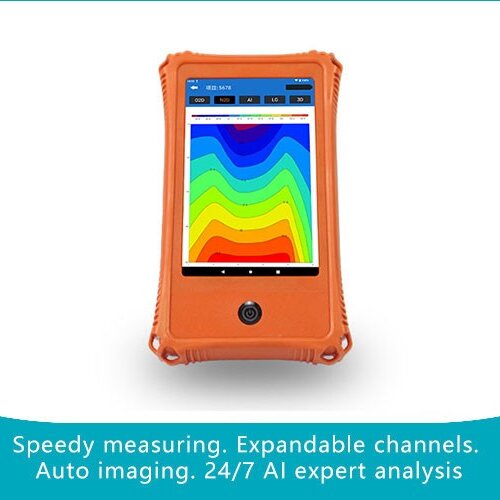
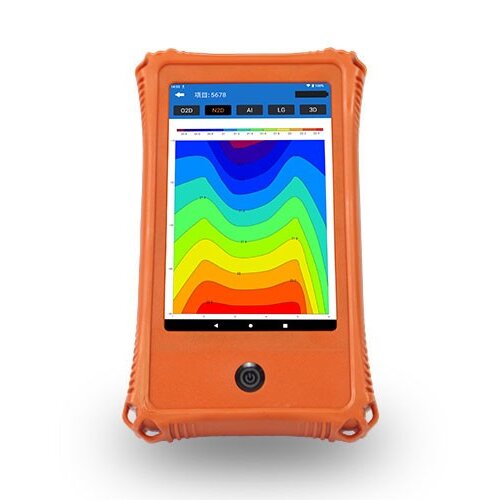
What to look for: Pick a device with a color touchscreen that automatically creates 2D or 3D maps right there in the field. Older tech forces you to write down numbers and use a laptop later, but modern gear (like the high-end models from Pearldrill) lets you see the graph instantly. This "what you see is what you get" feature helps your team decide where to drill on the spot, saving massive amounts of time.

3. Built Like a Tank

What to look for: Casing: It must be dust-proof, waterproof, and shock-resistant.
Battery: It needs at least 10 hours of juice and should be able to charge via a car outlet or a power bank since electricity is hard to find in remote areas.

4. Accuracy Matters (Don't Just Look at the Max Depth)

What to look for: Don't just trust the "maximum depth" on the box. Look at the resolution. A good machine helps you tell the difference between a small crack with a bit of water and a real underground reservoir. It can even help you estimate the flow rate so you don't waste money on a "dry hole."
How to Choose a Professional Underground Water Detector in 2026


Quick Comparison for Africa

Your Need
Must-Have Feature
Why It Matters
Complex Geology
Multi-frequency / High-sensitivity probes
Cuts through interference
No Tech Expert?
Smartphone/Tablet sync & Auto-mapping

User-friendly (Like Pearldrill)

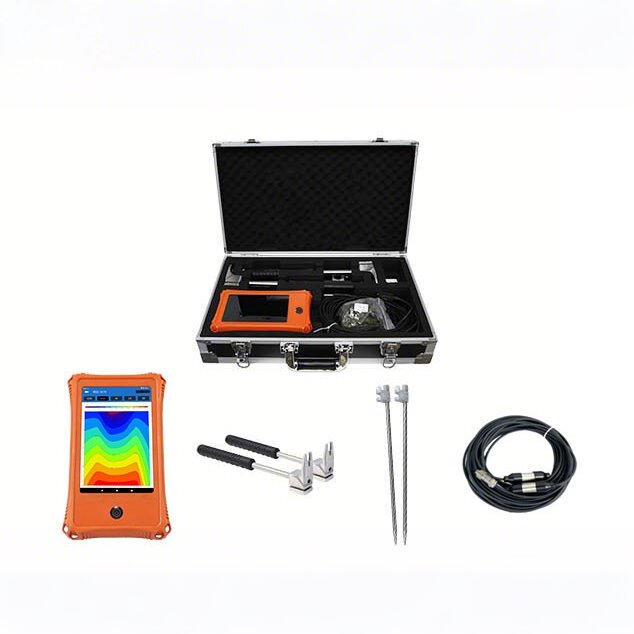
Drilling Tools Click

Remote Sites
Rugged case & Big lithium battery
Durable and easy to carry
Double Checking
Dual analysis (Curves + Profiles)
Lowers the risk of a mistake

How to Choose a Professional Underground Water Detector in 2026How to Choose a Professional Underground Water Detector in 2026

The Bottom Line:

In Africa, "reliable" beats "cheap" every single time. The cost of one failed borehole is usually enough to buy several top-tier detectors. Choosing a brand like Pearldrill—which is known globally for being both smart and tough—is the best way to make sure your search for water actually pays off.


Contact us
Want to Know More About How a Particular Detector Works? Contact Us Today!

CONTACT US

Contact: Mr Chen

Phone: +86 18574606855

Tel: +86 746 8323309

Email: pearldrill01@guangzhouintl.com

Add: Shanhuxi Road, Chuangfacheng Plaza, Yongzhou City ,Hunan Province China