How to Identify and Resolve Top Water Well Drilling Rig Issues in 2026
By 2026, water well drilling tech has become so smart and efficient that keeping your gear stable is more critical than ever. As a top-tier name in the industry, Pearldrill is famous for 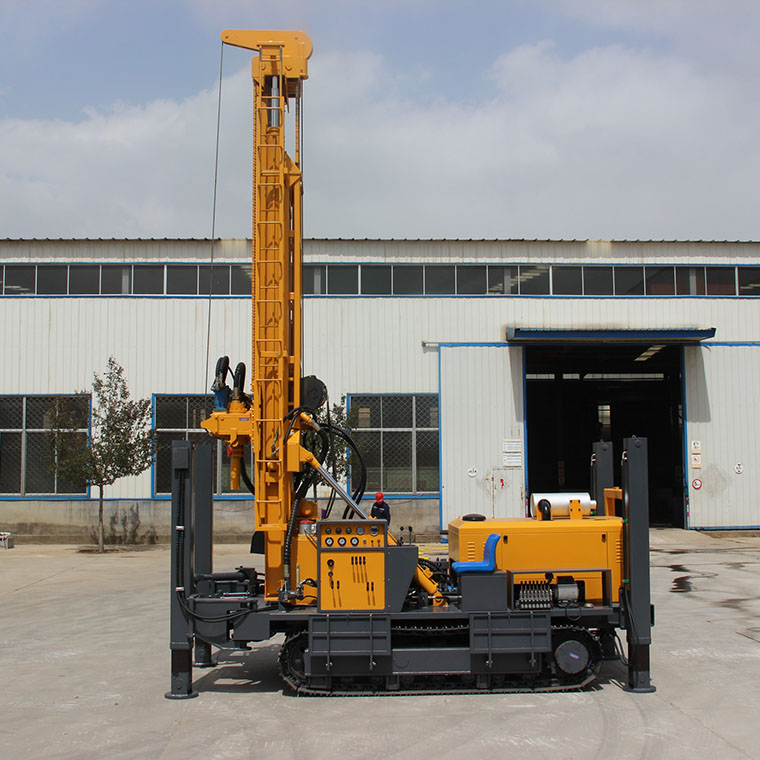 building a water well drilling rig that packs a punch and handles just about any terrain. Even so, when you're dealing with the unpredictability of working underground, things can still go wrong. Here's a breakdown of the 'Top-tier' headaches we're seeing in the field this year and exactly how to fix them.
Stuck Drill Strings (The dreaded "Stuck Pipe")
The Signs: You can't move the drill pipe up or down, the rotation pressure spikes, and the torque starts jumping all over the place.
The Pearldrill Tip:
Click ↘↘↘
600m deep water well drilling rig digging machine for sale
Since these rigs pack high-torque hydraulic motors, you'll feel it immediately. If that torque jumps—stop drilling right now.
The Fix:
1. Fix the Mud: Pump up the mud viscosity to help carry those cuttings out of the hole.
2. Gentle Nudges: Don't try to force it or "yank" it out. Gently wiggle the pipe up and down and toggle between forward and reverse while flushing the hole with high-pressure fluid.
3. Prevention: When you're in loose stuff like sand, use the Pearldrill specialty alloy bits and don't get greedy with your feed speed.
Overheating Hydraulics
The Signs: The oil temp gauge hits 70°C, the rig starts acting sluggish, and the pump starts making a weird whining noise.
The Reason: Usually low oil, a clogged radiator, or a pump that's seen better days.
The Fix:
1. Check the Levels: Make sure the hydraulic oil is topped off.
2. Clean the Cooler: Blow out the dust and grime from the air or water-cooling units.
3. Swap the Filters: Don't let back-pressure kill your system. Change those high-pressure filters regularly.
Hole Deviation
The Signs: The drill pipe starts shaking harder than usual and isn't sitting centered in the wellhead.
The Fix:
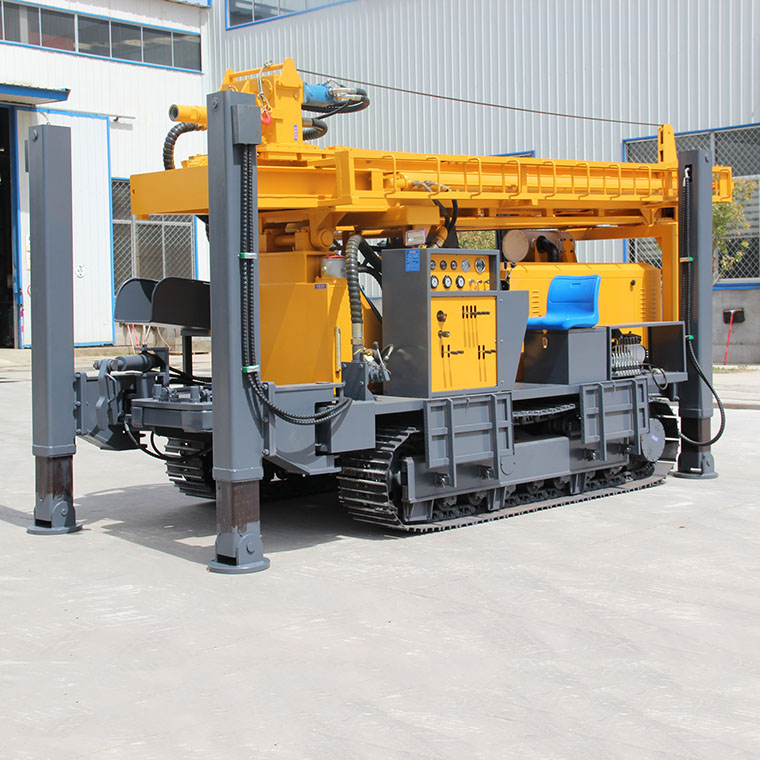
1. Level the Deck: Double-check your platform. If you're on a Pearldrill crawler, use those hydraulic jacks to get it perfectly level.
2. Watch the Pressure: When you hit hard rock, follow the "low pressure, slow spin" rule.
3. Use Stabilizers: Add drill collars or centralizers to keep the string stiff and straight.
Power Drop-off
The Signs: The RPMs tank when you're under load, and your progress slows to a crawl.
The Pearldrill Checklist:
The "Big Three" Filters: Check your air, fuel, and oil filters. In dusty 2026 job sites, the air filter is usually the culprit.
Fuel Quality: 2026 high-precision engines are picky. If there's a drop of water or dirt in your fuel, you're going to know about it.
Belts and Clutches: Check for slipping. If you're running a mechanical series, keep that clutch gap adjusted.
2026 Maintenance Cheat Sheet
Checkpoint
|
Frequency
|
Action Item
|
Hydraulic Oil
|
Every 500 hrs
|
Check viscosity (Use 68 in summer / 46 in winter)
|
Bolts & Fasteners
|
Every Shift
|
Torque-check key bolts to 1100N·m+
|
Bit Wear
|
Daily
|
Check for cracked alloy teeth and swap if needed
|
Lube Job
|
Daily
|
Grease the rotation head, main winch, and mast rails
|
The Bottom Line:
Troubleshooting a rig is all about "using your senses"—watch the gauges and listen for noises that shouldn't be there. Choosing a brand like Pearldrill isn't just about the heavy iron; it's about having a system that's easy to fix when the going gets tough.
Contact us
Want to Know More About Water Well Drilling Rigs Operation? Contact Us.