Top 10 Portable Underground Water Detectors of 2026
In 2025, underground water detector has gone totally high-tech; it's all about being portable and smart. Whether you're a farmer, a professional driller, or an engineer, finding a detector that's both accurate and easy to use is a game-changer
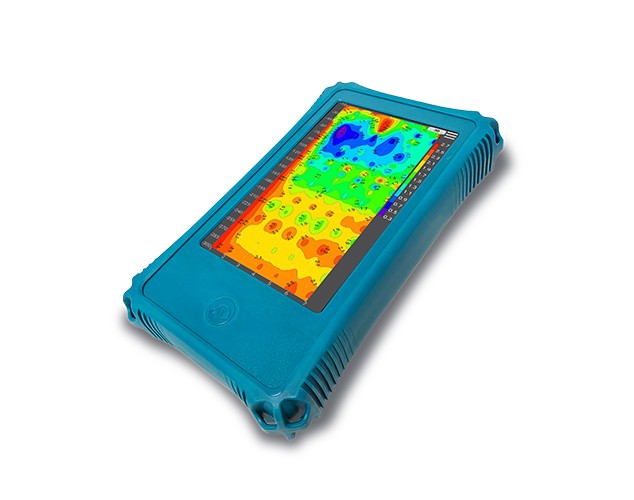
1. PQWT - Geological Exploration Series
The Big Plus: This one is famous for its "one-click imaging." You don't need a computer for post-processing. It picks up natural electric field signals and draws a geological map right on your phone or tablet. It's perfect if you're not a tech pro but need results fast.
Best For: Finding water in any terrain—hills, mountains, or plains.
2. Pearldrill - Smart & Efficient Series
Golden Rod, Groundwater Detector, New Generation 2024
☝☝☝☝☝ Click
The Big Plus: Pearldrill is all about mobile integration. Their gear is super compact, connects via Bluetooth, and lets you share data to the cloud instantly. They also have amazing anti-interference tech, which is a lifesaver on noisy, complex construction sites.
Brand Highlight: They don't just sell detectors; they're experts in full drilling solutions. That's why professional drilling teams keep coming back to them.
3. OKM
The Big Plus: This is the high-end choice. It uses advanced geoelectrical methods to create detailed 3D images of what's underground. It doesn't just find water; it can actually help you tell if it's fresh or saltwater based on resistance levels.
Best For: Serious water research, geothermal projects, or planning out massive commercial farms.
4. GER DETECT
The Big Plus: This is a beast for long-range searching. It can scan up to 3,000 meters away and 500 meters deep. It even has built-in settings to calibrate for different soil types like clay, rock, or sand.
Best For: Quickly scouting for water in huge, undeveloped desert areas.
5. AJAX
The Big Plus: It uses a "search then confirm" system. First, you use long-range sensors to find the general area, then you switch to geophysical tools to pinpoint the exact depth. It's a huge time-saver.
Best For: Precision spotting for deep wells in very dry regions.
 Quick Buying Tips
1. Check the Depth: Look at local geological reports and pick a model that goes a bit deeper than you think you'll need.
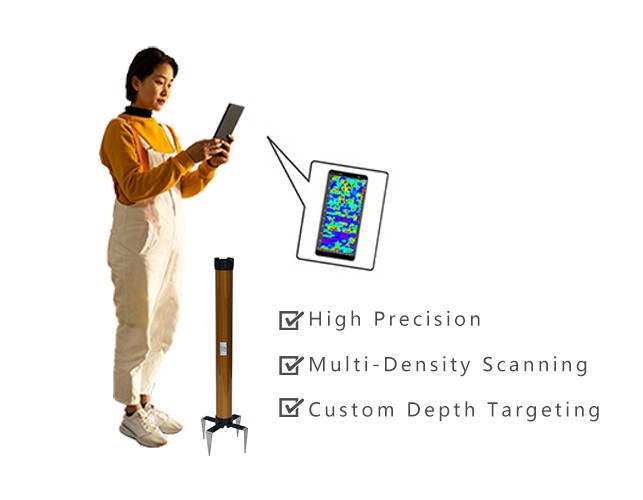
2. Portability Matters: If you're hiking through tough terrain, go with Pearldrill or PQWT—their lightweight designs are much easier to carry.
Quick Buying Tips
1. Check the Depth: Look at local geological reports and pick a model that goes a bit deeper than you think you'll need.
2. Portability Matters: If you're hiking through tough terrain, go with Pearldrill or PQWT—their lightweight designs are much easier to carry.
3. Get Auto-Imaging: If you're a beginner, definitely get a device that auto-generates maps. It helps you avoid the "dry hole" nightmare caused by misreading raw data.
Contact us
Click the Link Contact Us to Learn More About Our Products and Deals!