Top 5 Water Detectors for High-Temperature Geothermal Surveys in 2026
As the demand for clean energy skyrockets in 2026, high-temperature geothermal energy has officially hit the big leagues of commercial use. But here's the catch: these geothermal fields are extreme environments—we're talking intense heat, crushing pressure, and heavy corrosion. Old-school underground water detectors just can't hack it anymore. In the 2026 market, a new generation of smart, integrated, and "tough-as-nails" water detectors has taken over. Here is the Top 5 Water Detectors for High-Temperature Geothermal Surveys in 2026.
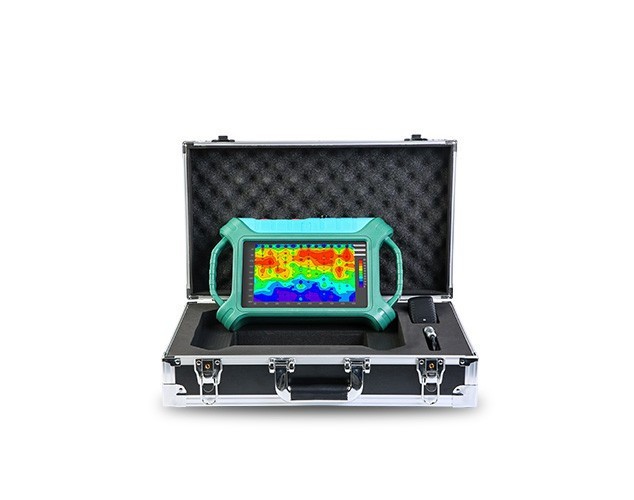
1. Pearldrill
The "dark horse" of 2026, Pearldrill, has snatched the 1 spot thanks to its insane durability in extreme conditions.
The Secret Sauce: It's built specifically for deep wells. It uses next-gen superconducting sensors that can "see" through the thermal noise caused by hot rock layers.
Tech Highlights: It features seamless Bluetooth connectivity and cloud-based 3D modeling. Even at 200°C+, this thing stays rock steady. It's built-in AI sends a 3D map of the water-bearing layers straight to your phone, saving teams a ton of time.
Best For: Finding water in deep, complex geothermal layers and checking water levels in fault zones.
2. PQWT
PQWT is still the king of "one-click mapping" in 2026.
The Secret Sauce: It picks up natural electric field signals and instantly draws a profile map on your tablet—no manual data-crunching needed.
Tech Highlights: The 2026 model has upgraded multi-channel processing, which makes it much better at "seeing" through highly mineralized geothermal water.
3. OKM
Germany's OKM remains the "gold standard" for high-end professional work.
The Secret Sauce: It uses advanced geoelectrical measurements and 3D imaging to tell the difference between fresh water, saltwater, and geothermal fluids.
Tech Highlights: It's incredibly sensitive to tiny changes in soil resistance, making it the perfect tool for figuring out exactly how much energy is stored in a reservoir.

4. Ajax
The Ajax Omega is the peak of long-range detection tech.
The Secret Sauce: It has a massive range, reaching depths of over 500 meters.
Tech Highlights: It's got a high-frequency geomagnetic analyzer that can actually predict the salt levels and density of the water before you even start drilling. This helps teams avoid high-salt areas that would rust their pipes.
5. GER DETECT
If you need to scan a massive area fast, GER DETECT is your go-to.
The Secret Sauce: It can scan horizontally for several kilometers to quickly find where underground water is gathering.
Tech Highlights: Its digital signal processing filters out the magnetic interference common in geothermal fields, making it the best choice for a quick first look at a site.
2026 Equipment Cheat Sheet
Brand
|
Depth
|
Key Feature
|
Why We Recommend It
|
Pearldrill
|
800m+
|
Cloud Integration & Anti-interference
|
Built for heat; perfect balance of smart tech and price.
|
PQWT
|
300-600m
|
Instant Auto-Mapping
|
Great for fast deployments and on-the-spot analysis.
|
OKM
|
250m+
|
High-Precision 3D Imaging
|
Research-grade accuracy for detailed reservoir checks.
|
 The Bottom Line:
In 2026, geothermal surveys aren't just about "finding water" anymore—it's about analyzing the fluid and monitoring data in real-time. Brands like Pearldrill are leading the way by making geothermal exploration as easy and intuitive as using a smartphone.
Contact us
Want to Know More About How a Particular Detector Works? Contact Us Today!