
In the drilling industry, especially water well drilling, "abrasive formations" are the number one killer of drill bits. Whether it's granite, quartzite, or basalt, these super-hard, highly abrasive rock layers just eat up drill bits like crazy. Drill bit life way too short? Over 60% of the time, it's because you picked the wrong type. With all the different drill bits out there in the Chinese market, which design can actually get the job done?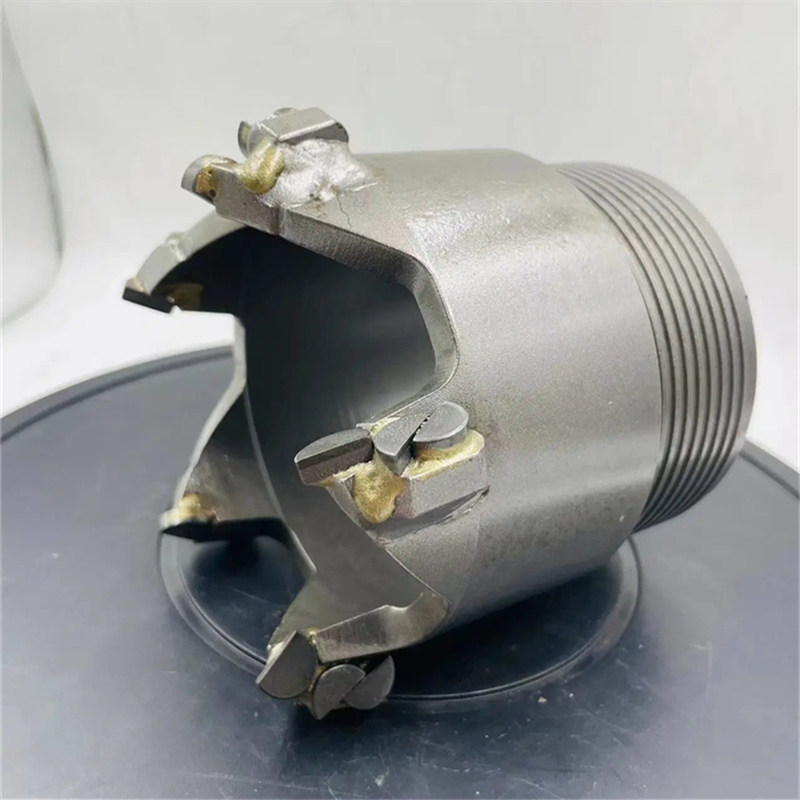
Core Pain Point
What Causes It
What Happens Next
Top Searched Solutions
Chipped / Broken Teeth
Too much impact load, bit too brittle for the job
Slow drilling, constant tripping in and out
Go with high-toughness carbide buttons
Thermal Damage
High RPM friction creates heat, not enough cooling
Cutting teeth soften, deform, wear out way faster
Strictly control low RPM, make sure you have enough air flow/chip removal
Gauge Wear
Cuttings erode the bit, poor matrix wear resistance
Bit outer diameter shrinks, gauge protection fails
Choose flat gauge design and wear-resistant hardfacing
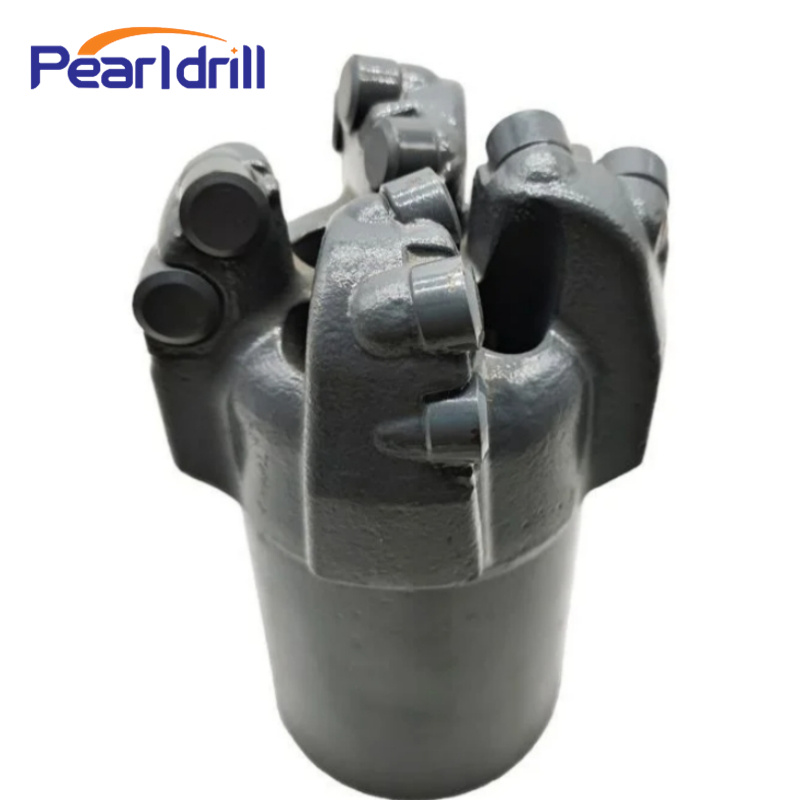
When you're up against super-hard, highly abrasive formations like granite or quartzite, flat-face DTH bits show amazing stability. The face of this design is flat, and its biggest advantage is that the impact force is spread out evenly. When the bit hits the rock, the impact energy is distributed evenly across the carbide buttons on the flat face, which really helps prevent the buttons from cracking due to too much local pressure. Pearldrill's flat-face bits use reinforced tungsten carbide, so they stay structurally sound even under high air pressure (2.4-3.0 MPa) impacts.
For medium-hard to hard formations that are fractured or likely to go off-course, the concave design is your best bet for keeping the hole straight. The dish-shaped concave face focuses the impact energy right in the center, giving you efficient, even breakage. This design also does a great job of reducing side loads, and side loads are exactly what cause borehole deviation in percussion drilling.
Whether you're drilling geothermal loops or deep water wells, borehole verticality is a must-meet spec. Choosing Pearldrill's concave DTH bits ensures your hole stays on track and you avoid the cost of rework from deviation.
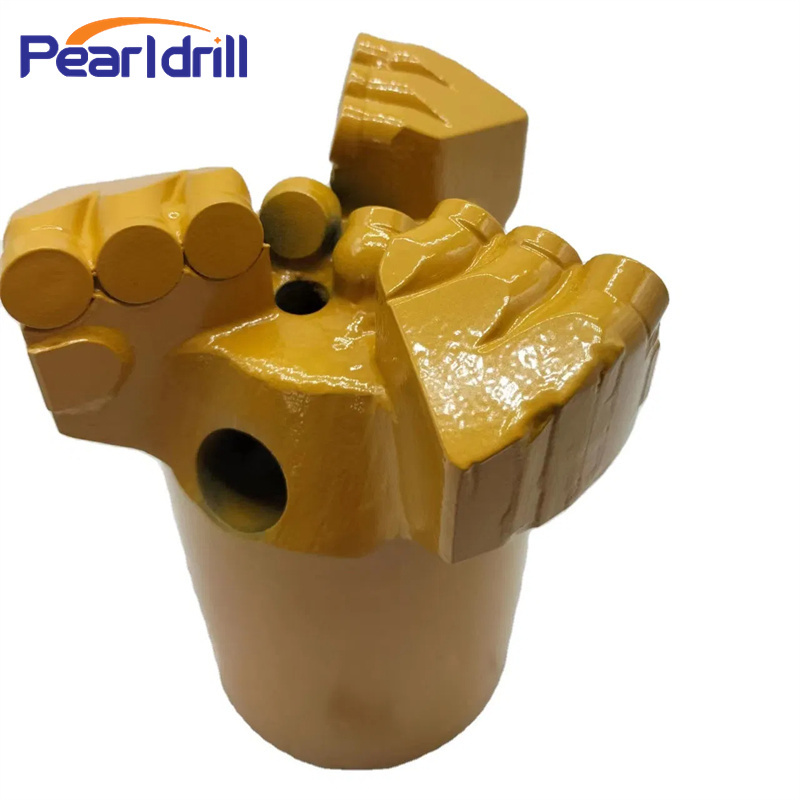
Even though roller cones and DTH bits rule the roost, specially designed impact-resistant PDC bits have also made big strides in 2026 for certain tightly cemented sand-gravel layers or hard interbedded sections. By optimizing cutter layout and using special-shaped, high-performance cutters, combined with a "pull, press, shear" mixed rock-breaking technique, these bits have solved the old headaches of severe cutter wear and low penetration rates that PDC bits used to have in hard, plastic formations.
Bit Type
Applicable Formations (Abrasiveness)
Key Durability Design Features
Recommended Operating Parameters (Hard Rock)
Brand Example
Flat-Face DTH Drill Bit
Extremely high (hard granite, quartzite)
Even force distribution on face, resists tooth breakage, max wear resistance
Low RPM (20-35), high air pressure (2.4-3.0 MPa)
Pearldrill Flat-Face Series
Concave-Face DTH Bit
High (basalt, dense rock layers)
Focused energy, keeps hole straight, even tooth wear
Medium-low RPM, steady WOB
Pearldrill Concave Series
High-Impact PDC Bit
Medium-high (sand-gravel, hard interbedded layers)
Special impact-resistant cutters, self-rotating cutters extend life
Control RPM to prevent thermal decay
Jianghan "Feng" / "Continuous Edge" Series
The Bottom Line:
There's no one-size-fits-all bit. The best design is the one that matches your specific geology. If you're drilling straight, hard granite and need maximum durability and resistance to breakage, Pearldrill's flat-face DTH bit is the way to go. If you need to keep holes straight and you're dealing with medium-hard or harder abrasive rock, the concave DTH bit will give you the best overall value and performance. By matching the right face design with the right operating practices, you can get the most footage and bit life out of your tools in abrasive formations.
Which Brand Has the Most Reliable Water Well Drill Bits in 2026
Common Mistakes When Buying Chinese Drill Bits in 2026 and How to Avoid Them
Understanding PDC Cutter Sizes: Why 13mm and 16mm Matter in Chinese Drill Bits
 Click Below to Consult Our Experts on Maximizing Efficiency with High-Performance Tools.
 More Related Articles About [PDC Drill Bits]
Contact: Mr Chen
Phone: +86 13874354330
Tel: +86 746 8323309
Email: pearldrill02@guangzhouintl.com
Add: 3rd Floor, Wanli Market, Fenghuang Road, Lengshuitan District, Yongzhou City ,Hunan Province China
