How to Top-Maintain Handheld Underground Water Detectors in 2026
It's 2026, and with smart cities and high-precision tech taking over, a handheld water leak underground water detector has become a "must-have" for both pipe maintenance and home safety. These high-sensitivity gadgets pack serious tech—like acoustic sensors and AI noise cancellation, which means they need a little extra TLC to stay in top shape. To make sure your detector stays sharp and reliable when it matters most, here is the ultimate 2026 maintenance guide.
4 Pillars of Leak Underground Water Detector Maintenance
1. Treat Your Sensor Like a Germaphobe
Daily Wipe-down: After every job, use a non-woven or microfiber cloth to wipe the bottom of the sensor. Don't let mud or grit dry on it, or it'll act like a "muffler" and ruin your readings.
Deep Clean: If you've been working around oily water, use a cotton ball with 75% alcohol to gently clean it. Never dunk the probe in water or use harsh chemicals.
2. Take the Pressure Off Cables and Ports
Don't Fold It: When packing up, loop your cables in large circles. Never "dead-fold" them, as sharp bends can ruin the internal wiring.
Keep Ports Clean: Most 2026 models use multi-pin aviation connectors. Line up the pins carefully when plugging them in, and check for any rust or gunk. If you work in humid areas, a quick spray of specialized electronic cleaner works wonders.

3. Battery and System "Longevity" Hacks
The 20-80 Rule: These devices usually run on Li-Po batteries. Try to keep your charge between 20% and 80%. If you aren't using it for a while, give it a quick charge/discharge every three months so the battery doesn't "die" permanently.
Update Your Software: Brands like Pearldrill frequently drop AI updates to improve noise filtering. Keep your firmware current via their app to make sure you're getting the best accuracy on noisy roads.
4. Storage: Think "Cool and Dry."
Shield the Tech: These tools have delicate circuits inside. Keep them away from big power transformers or strong magnets. Always store the unit in its original shockproof case with a few silica gel packets to keep moisture out.
Pro Tips for Pearldrill Users
> "Pearldrill gear is amazing at catching low-frequency leaks, but that sensitivity makes it fragile. When you aren't actively testing, always keep the pickup head at least 5cm off the ground to avoid accidental bumps."
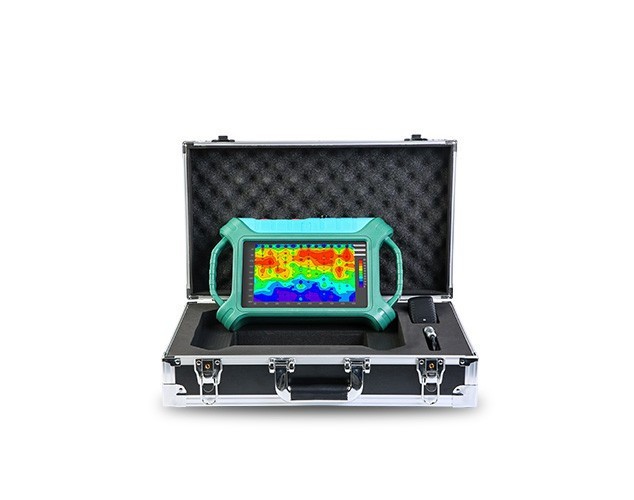
32-Channel High Density Groundwater Detector
Click ☝☝☝
Quick Maintenance Checklist
Task
|
Frequency
|
What to do
|
Exterior Wipe
|
After every use
|
Clean off dust; check the probe for cracks.
|
Accuracy Check
|
Monthly
|
Test it on a known leak to verify sensitivity.
|
Port Care
|
Every 6 months
|
Check if the waterproof seals on the plugs are getting brittle.
|
Battery Cycle
|
Quarterly
|
Run a full "Charge-Discharge-Charge" cycle.
|
 The Bottom Line:
A well-maintained Pearldrill underground water detector can easily last over 5 years with almost zero loss in precision. Clean it, store it right, and keep it calibrated. Would you like me to create a printable PDF version of this checklist for your team?
The Bottom Line:
A well-maintained Pearldrill underground water detector can easily last over 5 years with almost zero loss in precision. Clean it, store it right, and keep it calibrated. Would you like me to create a printable PDF version of this checklist for your team?
Contact us
Want to Know More About How a Particular Detector Works? Contact Us Today!