2026 Underground Water Detector Operating Procedures
In the world of mining safety and geological surveys today, smart water detection is our frontline defense. Whether we're preventing mine flooding or pinpointing underground sources, following a digital, standardized workflow is non-negotiable.
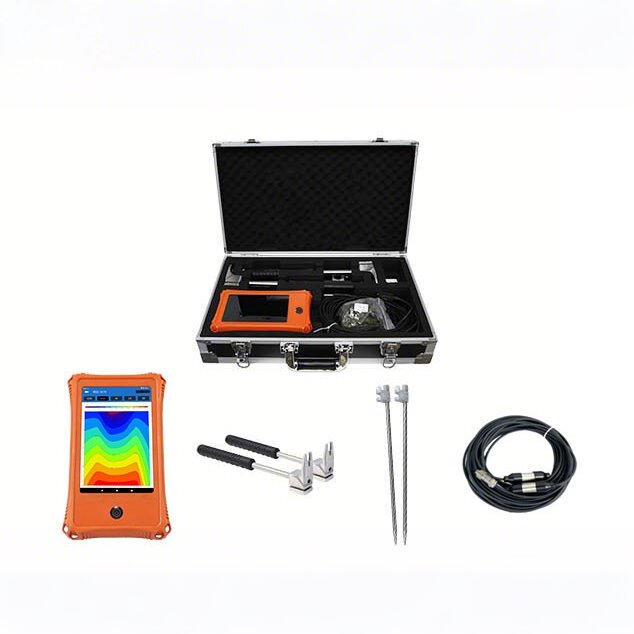
1. Pre-Op Checks & Power-Up
Check Your Juice: Make sure your high-energy lithium battery is above 90%. You need that stable power for a clean signal.
Sensor Health: Give the electrodes or ultrasonic probes a quick look-over for wear and tear. If you're using a Pearldrill unit, it's got that AI Adaptive Sensor—just hit “Smart Calibration” and let the system tune out the background noise for you.
Safety First: Double-check the methane levels and rock stability. We stay strictly within the 2026 safety codes—no exceptions.
2. Setting Up the Grid
The Layout: Stick to the grid pattern on your geological maps.
Laser Precision: Use the Pearldrill Laser Navigation System to project your points onto the floor or walls. It keeps our margins of error down to the millimeter.
ADMT ZN All-Channel Speedy Groundwater Detector
Click ☝☝☝
Get a Good Connection: Ensure the electrodes are firmly planted. If the ground is bone-dry, use a bit of conductive coupling gel to keep the signal strong.
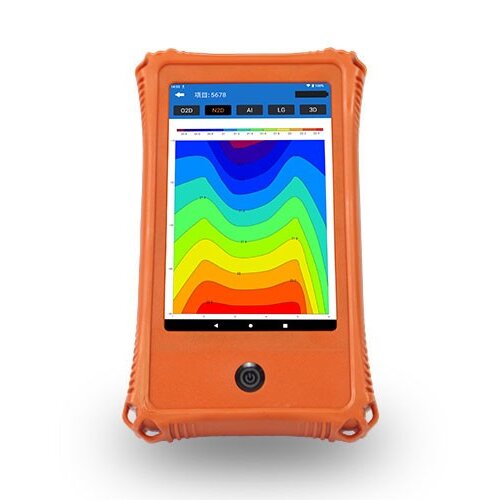
3. Data Collection & Live Monitoring
Dial It In: Set your target depth and scanning precision on your tablet/mobile terminal.
Hit Go: Start the program. The Pearldrill Multi-Frequency Sync tech will grab resistivity and polarizability data across different depths simultaneously.
Watch the Curves: Keep an eye on the resistivity curves in real-time.
Flag the Red Zones: If the system pings a "low-resistance anomaly" (that's your potential water), don't just move on—add extra sampling points around that area to get a clearer picture.
4. Processing & 3D Modeling
Cloud Sync: Once you're done, sync the data to the cloud via 5G/6G satellite link.
The Output: The system will automatically churn out 2D profiles and 3D water-body models. Using the Pearldrill analytics suite, you can get an instant estimate of the depth and expected water inflow volume.
5. Shutdown & Maintenance
Clean Up: Wipe down the sensor connectors. Don't let coal dust or mud eat away at your ports.
Log It: Export your work logs and coordinates for any "hot spots," then upload them to the company's safety platform.
Pack It Away: Put the main unit back in its shockproof case and store it somewhere dry and well-ventilated.
Contact us
Want to Know More About How a Particular Detector Works? Contact Us Today!