Locating Groundwater in Arid Regions with Underground Water Detectors
In arid regions, water isn't just a basic need—it's the heartbeat of development. But trying to find groundwater hidden deep beneath a vast, parched desert is like looking for a needle in a haystack if you're just guessing. Thankfully, modern geophysical technology has changed everything. High-efficiency underground water detectors have turned a "guessing game" into a precise science. Let's dive into how we actually locate groundwater in dry areas and how this technology is solving water shortages.
Where is the Water Hiding?
1. Old Riverbeds: Even if the surface is bone-dry, ancient river channels buried under sand and gravel can hold huge amounts of water.
2. Fault Lines & Rock Fractures: Cracks in the earth's crust act as natural reservoirs where water gathers and flows.
3. Bedrock Basins: Think of these as giant underground stone bowls that have trapped "fossil water" for thousands of years.
Finding Water: A Scientific Step-by-Step Guide
1. Keep an Eye on the Terrain and Plants (Geomorphology & Vegetation)
Even though groundwater is hidden deep down, it usually leaves "clues" on the surface. For example, if you see deep-rooted plants like Tamarisk or Camelthorn staying lush and green in the middle of a desert, or if you notice salt crusts on the ground, those are huge red flags that there's shallow water nearby.
2. Read the Rocks (Geological Structure)
You'll want to check out a geological map. Look for things like fault lines, contact zones, or synclines (the "U" shaped folds in the earth). Groundwater naturally flows from high-pressure spots to low-pressure spots and tends to pool up wherever the rock structure blocks its path.
3. Use High-Tech Tools (Geophysical Surveys - The Game Changer)
This is the most accurate way to do it. It's basically like giving the ground an "X-ray." By measuring things like electrical resistance, electromagnetic waves, or changes in the natural electric field, you can literally see through the earth to find exactly where the water is hidden.
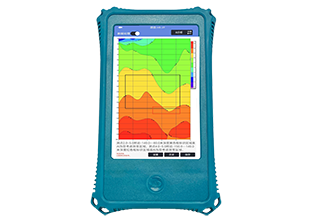
Pearldrill Underground Water Detectors: Your Guide to Water in the Drylands.
Among all the gear out there, Pearldrill has earned a huge reputation in water-scarce areas because it's both incredibly accurate and easy to use.
Golden Rod Groundwater Detector, New Generation 2024
☝☝☝☝☝☝☝ Click
What makes Pearldrill Underground Water Detectors stand out?
1. Deep Reach: In deserts, water is often 100 to 500 meters down. Pearldrill's high-end tech can punch through thick, dry sand layers to find those faint signals from deep aquifers.
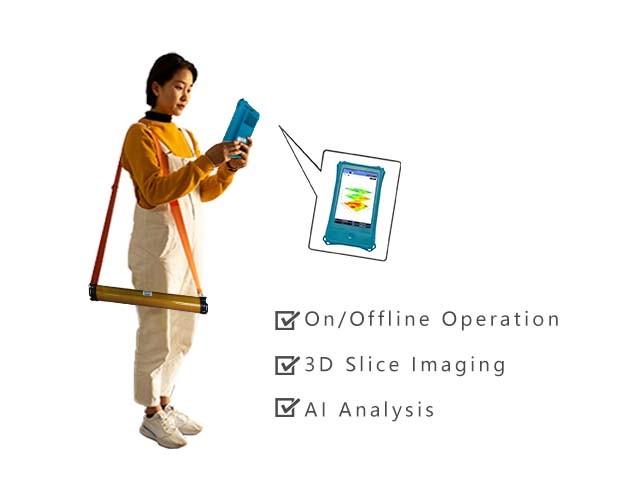
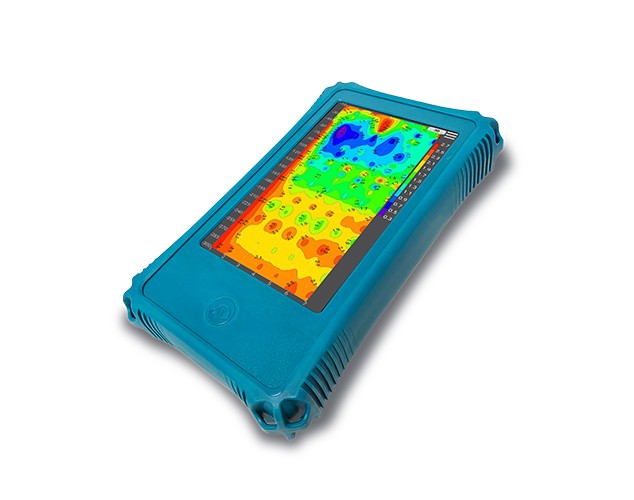
2. Instant 3D Maps: Forget about complicated data crunching. These devices connect to your phone or tablet and instantly create 2D or 3D images of the underground layers. You can see exactly where the water is.
3. No More False Alarms: By using multiple data points, Pearldrill can tell the difference between a real water source and "fakes" like metal ore deposits. This saves a massive amount of money on failed drilling attempts.
Pro Tips for Better Results
1. Don't just test one spot. Run your tests in a grid or a cross-pattern. This helps you see if the water source is continuous.
2. Look for the "Drop." In dry areas, dry rock has very high resistance, while water has very low resistance. Pearldrill's sensors are tuned to catch that specific "jump" in the data.
3. Watch out for noise. Even though these machines have great filters, it's always best to test away from power grids, or early in the morning when there's less "electronic noise."
Real-World Success: Turning Dust into Gold
In a semi-arid part of Africa, villagers had drilled several "dry holes" with no luck. They brought in a Pearldrill auto-imaging detector and discovered that 150 meters down wasn't solid rock, but an ancient riverbed. They hit water at 180 meters, producing over 50 tons of fresh water a day. It changed everything for that community.
The Bottom Line
Finding water in the desert is part experience, part science. By combining a good eye for the land with Pearldrill's "medical check-up" for the earth, we can find life-saving water where no one thought it existed. If you're struggling with water shortages, using the right tech is the first step toward turning a desert into an oasis.
Contact us
☝ ☝ ☝ Click the Link to Contact Us Immediately and Learn More About Water Detectors.