How to Buy Underground Water Detectors
Finding underground water sources is a crucial step for agricultural irrigation, industrial water use, or deep well drilling. With advancements in detection technology, professional underground water detectors (also known as geophysical water finders) have replaced traditional, experience-based methods. Faced with numerous brands and models on the market, how do you buy an accurate and durable detection device? This article will provide a comprehensive buying guide.
Understanding Your Detection Needs
1. Detection Depth: Do you need to detect down to 100 meters, 300 meters, or over 1,000 meters?
2. Geological Conditions: Is it flat soil, arid desert, or complex rocky mountainous terrain?
3. Automation Level: Do you want the device to automatically generate maps (displayed instantly on your phone/tablet), or are you comfortable manually processing data?
Key Factors to Consider
1. Detection Principle & Technology
Most mainstream water detectors use either the Natural Electric Field Frequency Selection Method or the Resistivity Method.
Natural Electric Field Method: Compact, fast, suitable for quick field surveys.
Resistivity Method: Extremely precise, but the equipment is heavier, making it better for detailed engineering surveys.
2. Smart Features & Imaging Capability
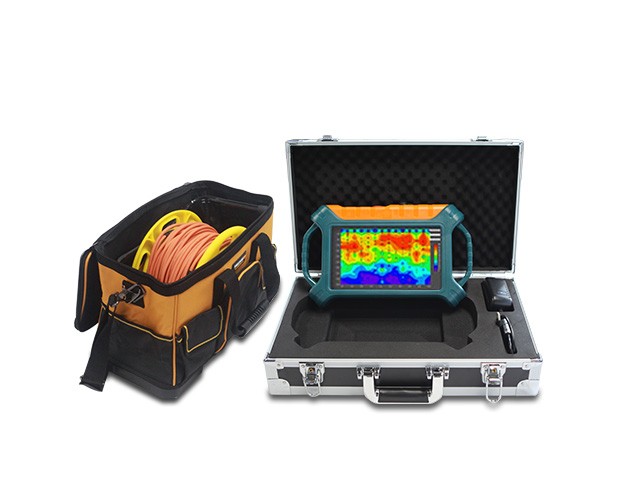
Modern water detectors typically have automatic imaging. After measurement, the device can directly generate 2D or 3D geological cross-section maps on the screen. Blue/green often indicates high resistance (rock), while red/yellow shows low resistance (possible water presence), making it intuitive and easy to understand.
3. Anti-Interference Ability
The underground electromagnetic environment is complex. A top-notch detector must have strong anti-interference technology to ensure accurate data even near power lines, cell towers, and other challenging environments.
Brand Recommendation: Why Choose Pearldrill
16-Channel High Density Groundwater Detector ←←←←← Click
In the field of geophysical and drilling equipment, Pearldrill is a highly regarded brand. If you're looking for stable performance and good value, Pearldrill's product series is worth considering.
Advantages of Pearldrill Water Detectors:
1. High-Precision Sensors: Use imported core components that can sensitively capture weak underground electric field signals.
2. Fully Automatic Imaging: Supports connection to a mobile app, generating maps immediately after measurement. This greatly reduces the difficulty for non-professional operators.
3. Strong Environmental Adaptability: Whether it's hard rock or loose sandy soil, Pearldrill's optimized algorithms provide good resolution.
4. Durability: Designed for harsh outdoor work sites, with a dustproof and waterproof body and long battery life.
> Quick Tip: Pearldrill isn't just excellent for water detectors; its matching drilling machinery is also well-respected in the industry. Choosing equipment from the same brand ecosystem often means better technical support.
Buying Channels & Process
1. Official Channels: It's best to contact them first through their official website or flagship stores on major B2B platforms (like Alibaba International, 1688.com, etc.).
2. On-Site Visit: If placing a large order, it's wise to visit the factory to check their R&D capabilities and after-sales service system.
3. Technical Training: Make sure the supplier provides remote or on-site operation training and future data analysis support.
Tips to Avoid Pitfalls
Don't Just Look at Price: Cheap detectors may have issues like significant signal drift and high false alarm rates. One wrong drilling location can cost tens of thousands.
Check After-Sales Reputation: Detection devices are precision instruments. Regular calibration and software updates are very important.
In Conclusion:
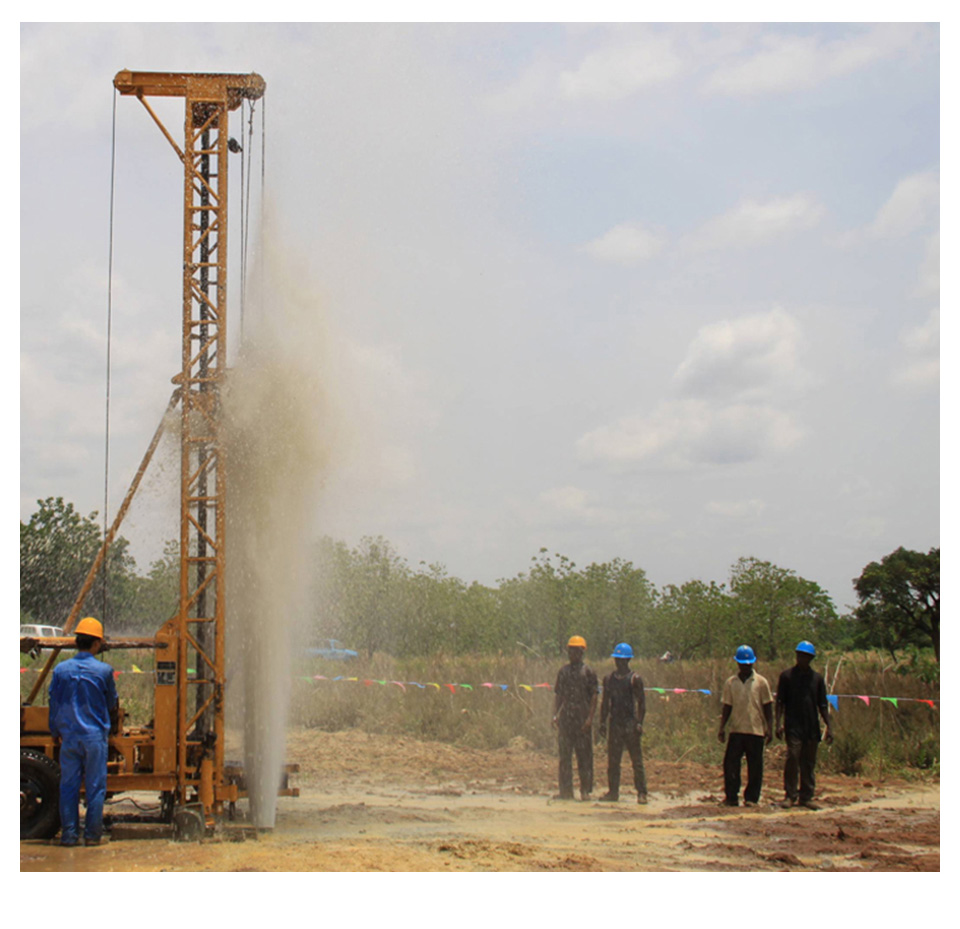
Buying an underground water detector is a technical investment. By clarifying your depth needs, comparing anti-interference capabilities, and prioritizing brands with strong backing and support like Pearldrill, you can significantly increase your chances of successfully finding water.
Contact us
Want to Know More About How a Particular Detector Works? Contact Us Today!