Top 10 Essential Features to Look for in a Underground Water Detector in 2026
It's 2026, and finding groundwater isn't just about "how deep can it go" anymore. With tech getting smarter and more precise, the best detectors are now basically high-tech hubs that blend geophysics with AI and Big Data.
If you're looking to buy a underground water detector this year, here are the 10 "must-have" features you should be looking for:
1. Real-Time AI Imaging
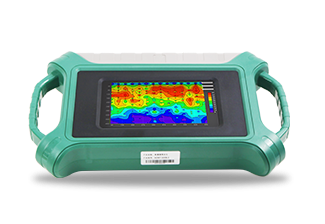
Gone are the days of exporting data to a PC just to see a graph. In 2026, you need on-device imaging. The built-in AI should instantly turn resistivity data into 2D or 3D maps, letting you "see" the aquifer while you're still out in the field.
2. Multi-Source Fusion Tech
Relying on a single electric field is risky because of interference. Top-tier gear now combines electric, magnetic, and natural electromagnetic fields. This cross-referencing helps you tell the difference between a real water source and just some "damp mud," which means way fewer dry holes.
3. Smart Anti-Interference
Power lines and cell towers are a nightmare for signal clarity. Make sure your device has serious digital filtering. For instance, Pearldrill underground water detectors are famous for this—their built-in modules block out city "noise" so you get a clean signal even in messy environments.
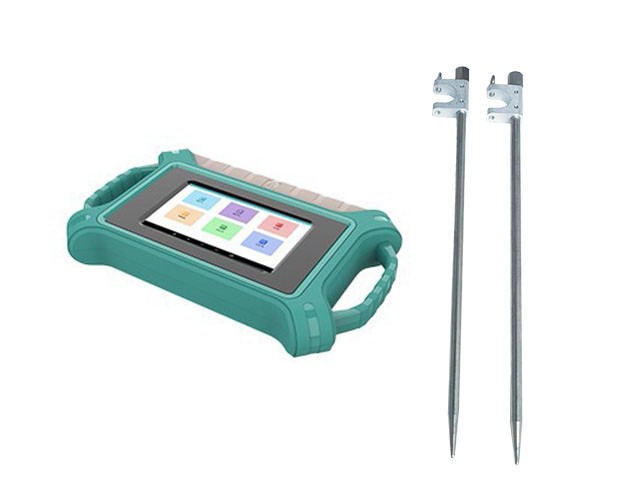
ADMT 300S-X Single Channel Groundwater Detector
Click ☝☝☝
4. Adaptive Depth Control
You want a machine that can pivot. It should handle everything from 100 meters down to 2,000 meters. This gives you high resolution for shallow jobs but enough "punch" to see deep underground when needed.
5. Cloud Calibration & Expert Help
Smart detectors now link up via satellite (like Starlink). The system sees your GPS coordinates and automatically tweaks the settings for your specific local geology. Plus, brands like Pearldrill offer remote expert support, so a pro can look at your map and help you make the call.
6. Fully Wireless Design
Stop tripping over cables. Go for sensors that connect via Bluetooth or Wi-Fi. This "roving" setup makes it way faster to scout rugged mountains or deserts since you aren't stuck dragging wires around.
7. Water Quality Identification
By 2026, high-end tech can actually guess the water quality—is it fresh, salty, or mineral-heavy? This is a total game-changer for farmers and geothermal projects.
8. Built Like a Tank
Fieldwork is brutal. Your gear needs an IP68 rating (dustproof/waterproof) and the ability to survive extreme heat or freezing cold.
> Pro Tip: Pearldrill gear is built specifically for this. They use reinforced shells designed to survive humidity and being banged around on rocks.
9. All-Day Battery & Fast Charging
You're usually out there all day, so you need at least 12 hours of juice. Look for Type-C or car-compatible fast charging so you can power up on the move.
10. 3D Data & GIS Compatibility
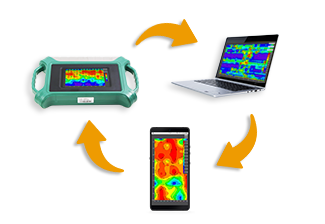
Your results shouldn't just stay on the screen. You need to be able to export data to Google Earth or GIS software. This is huge for big-picture water management or professional engineering projects.
Contact us
Click the Link Contact Us to Learn More About Our Products and Deals!