What Are the Types of Underground Water Detectors in 2025
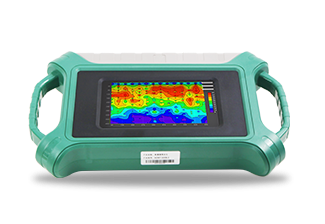
Underground water detectors, also known as groundwater surveying instruments or exploration equipment, are essential tools in geology, well drilling, and water management. Thanks to technology, modern detectors have evolved from simple measuring devices into smart systems that combine advanced electrical, electromagnetic, and data processing capabilities.
Key Types of Underground Water Detectors and How They Work
1. Resistivity Method Detectors
The Principle: This method is based on the fact that different materials underground have different electrical resistance (resistivity). We send an artificial electric current into the ground and measure the voltage difference on the surface. Areas with low resistivity usually indicate layers with high water content.
The Vibe: It's an old, mature, and reliable technology. It offers high resolution for viewing underground structures and is one of the most common methods.
The Use: Finding groundwater, determining the depth and richness of aquifers, and conducting general geological surveys.
2. Natural Field / Audio Magnetotelluric (AMT) Detectors
The Principle: Instead of creating a signal, these devices use the Earth's natural electromagnetic field (created by lightning, solar activity, etc.) as the signal source. They measure the electromagnetic response of different underground layers.
The Vibe: They can reach great depths and are highly resistant to interference. They are perfect for remote or complex areas where it's hard to set up large current electrodes.
The Use: Regional hydrogeological surveys and deep groundwater exploration.
3. Transient Electromagnetic (TEM) Detectors
The Principle: We send a current through a transmitter loop and then suddenly switch it off. This creates a temporary, secondary electromagnetic field in the ground. By measuring how fast this secondary field decays, we can figure out the conductivity (the opposite of resistivity) of the underground materials.
The Vibe: They are fast to survey with, excellent at distinguishing low-resistance (water-rich) layers, and less affected by resistive layers near the surface.
The Use: Managing groundwater hazards in mining (coal/metal) and surveying for large-scale water projects.
4. Ground Penetrating Radar (GPR)
The Principle: GPR shoots high-frequency radio waves into the ground. It then listens for the signals that bounce back from the interfaces between different layers. The travel time tells us the depth and shape of the underground features.
The Vibe: Very high resolution and easy to operate. However, it has limited depth (usually only a few tens of meters) and struggles in highly conductive ground like clay or saltwater.
The Use: Shallow groundwater detection, finding underground pipes, voids, and archaeological surveys.
The Future: Smart Detectors and the Pearldrill Brand
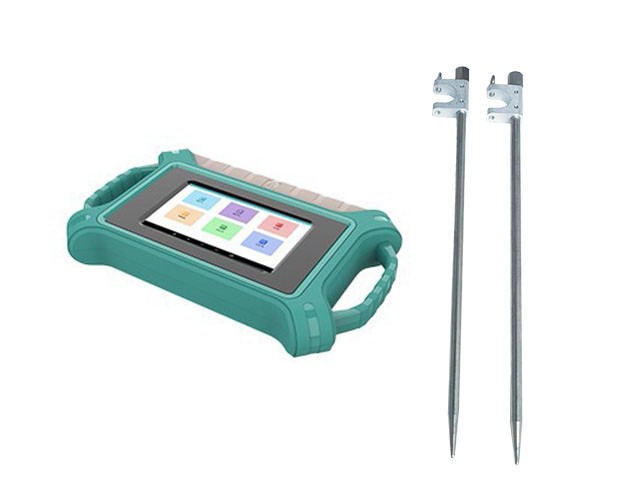
ADMT 300S-X Single Channel Groundwater Detector ←← Click
1. The Trend: Smart and Visual
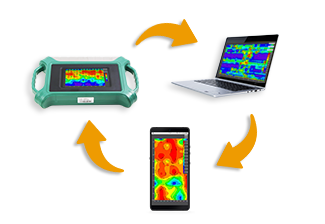
Modern underground water detectors are now equipped with powerful processors and touchscreens. They collect, process, and analyze data in real-time. For example, many devices automatically generate maps, turning complex resistivity data into user-friendly 2D or 3D images of the underground. This makes it much easier to use and greatly reduces the workload in the field.
2. Focusing on Pearldrill
Core Tech: Pearldrill often uses advanced electrical imaging technology (like their ADMT or M/S/TC series) to provide high-precision, high-resolution groundwater solutions.
Key Features:
Adjustable Depth & Multi-Frequency: They offer maximum detection depths ranging from 100 meters to several kilometers, using multiple frequencies or channels to suit different geology.
Mobile and Auto-Imaging: Many models connect to your phone or use Android-based touchscreens. Data is analyzed and imaged automatically right on the device or in the cloud—no need for complicated, separate software.
Lightweight Design: Pearldrill focuses on making the equipment lighter and easier to carry, ideal for remote areas and fast fieldwork.
In Conclusion:
To choose the right detector, you must be clear about your target depth, the geological conditions, and your budget. Whether you go with the traditional resistivity method or one of the newer smart imaging detectors, understanding the core principles and features is the key to successful groundwater exploration.
Contact us
Want to Know More About How a Particular Detector Works? Contact Us Today!